Sake: a gift that surprises and truly delights
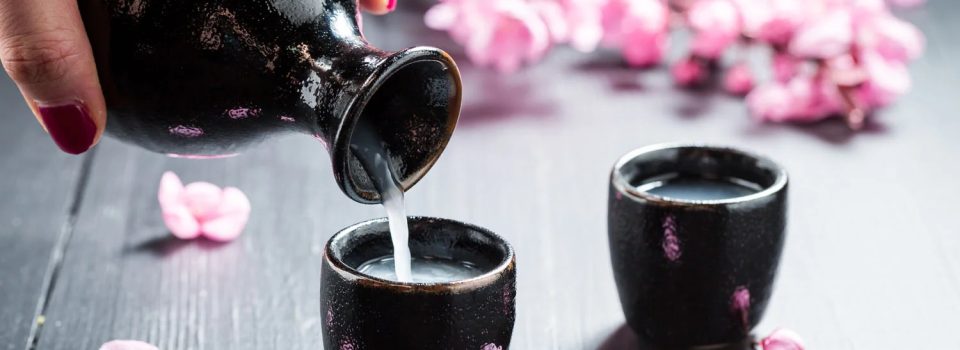
Over the past few years, Japanese sake — a fermented beverage, as diverse and nuanced as wine — has experienced significant growth in popularity in France. Long misunderstood and often confused with the “sake” served in Chinese restaurants (a rice-based spirit closer to vodka), and long perceived as an exotic alcohol reserved for Japanese restaurants, sake is now firmly establishing itself as a gastronomic beverage in its own right.
It is increasingly appreciated for its finesse, its wide range of styles, and its remarkable ability to pair with Western cuisine.
This growing interest can be explained by a better understanding of the product itself, as well as by the curiosity of wine lovers seeking new sensory experiences beyond traditional wine and spirits.
Offering sake at Christmas means choosing a gift that is both original and thoughtful.
Original, because it stands apart from the usual bottles of wine or classic spirits. Thoughtful, because it tells a story: the story of an ancestral Japanese craftsmanship, of a close relationship between terroir, water, rice and fermentation, and of a culture of taste deeply rooted in the idea of sharing.
Sake is not just a beverage; it is a gateway to a rich, subtle and still largely unexplored cultural and gastronomic world.
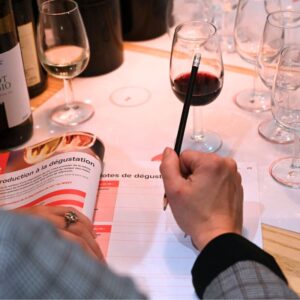
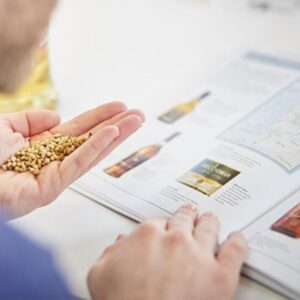
Beyond the bottle, sake is particularly well suited to experiential gifts. Guided tastings, educational workshops, masterclasses or certified training courses make it possible to better understand its styles, its uses and its food pairings. This is precisely the approach adopted by Weeno, which offers a range of experiences dedicated to Japanese sake: courses, workshops and training programmes designed for curious beginners, knowledgeable enthusiasts and professionals alike, available as gift cards or to be enjoyed throughout the year.
In this article, we explore why Japanese sake is an excellent Christmas gift idea, and above all how to turn it into a meaningful and memorable experience through Weeno’s sake-focused workshops, courses and training programmes. A gift that brings immediate pleasure — and leaves a lasting impression.
1. Why Offer Japanese Sake at Christmas?
Giving Japanese sake as a Christmas gift means offering far more than a simple bottle: it is an invitation to discover a world that remains relatively unknown, refined and deeply rooted in culture. In France, sake is still far less familiar than wine or spirits, which makes it a particularly distinctive and original gift. It surprises, intrigues and sparks curiosity — exactly what one looks for when choosing a present that leaves a lasting impression.
Sake embodies a rare balance between tradition and modernity. The result of centuries-old Japanese craftsmanship, it relies on precise techniques, a refined mastery of fermentation, and close attention to water, rice and koji. Each bottle tells a story of terroir, climate and culture, while remaining remarkably approachable when tasted. This strong cultural dimension makes sake a meaningful gift, combining education and gastronomy.
Another key advantage is sake’s ability to appeal to both wine lovers and curious explorers in search of new sensations. Fans of aromatic white wines often recognise floral and fruity notes reminiscent of Chenin Blanc or Riesling in certain styles of sake, while those drawn to more structured wines are frequently attracted to richer, more textured profiles marked by umami. Its low bitterness, natural balance and high digestibility make sake a versatile and consensual beverage, capable of pleasing a wide range of palates.
Finally, the diversity of sake styles offers a true sensory playground. From dry, clean Junmai to more aromatic Ginjo and Daiginjo, as well as fuller, creamier or deeply umami-driven expressions, there is a sake for every occasion and every personality. This diversity makes it possible to tailor a gift to the recipient’s profile, while opening the door to an exploration of a world with many facets.
At Christmas, offering Japanese sake therefore means offering a discovery experience, a cultural and gastronomic journey, and a gift that stands out for both its elegance and originality.
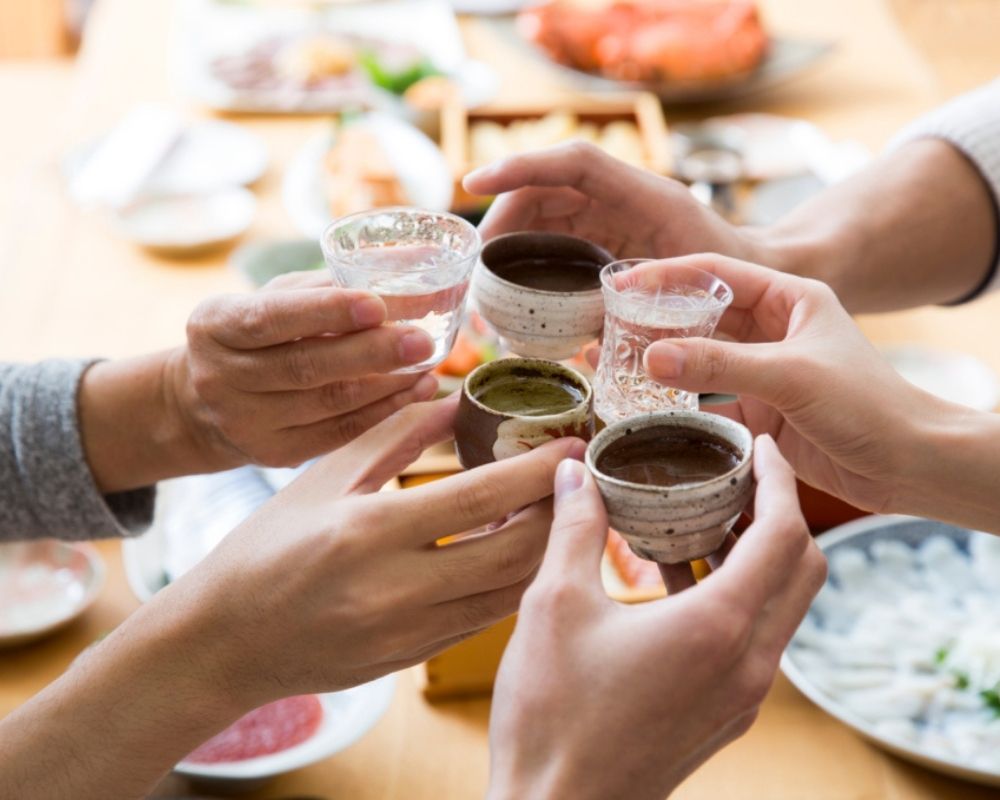
2. Which Sake Styles to Offer: Choosing According to the Recipient’s Profile
Choosing a Japanese sake as a gift may seem complex at first.
However, once the main categories are understood, it becomes much easier to adapt the choice to the recipient’s profile. The rice polishing ratio, the presence or absence of added alcohol, and the desired style (clean, aromatic, complex) are the key elements to making the right selection.
2.1 For Beginners: Smoothness and Accessibility
For a first introduction to sake, it is best to focus on styles that are easy to read, balanced and not too challenging.
Junmai and Honjozo sakes are particularly well suited to this profile.
Junmai sake, made exclusively from rice, water, yeast and koji, generally offers a clean style with subtle cereal notes, good freshness and sometimes a discreet touch of umami.
Honjozo sake includes a small amount of distilled alcohol added at the end of fermentation, which brings greater lightness and aromatic clarity.
These sakes display straightforward, approachable profiles without excessive aromatic intensity. They pair very well with food and represent an excellent gateway into the world of sake, without intimidation.
2.2 For Knowledgeable Enthusiasts: Aromatic Expression and Finesse
For drinkers who are already sensitive to aromas and flavour precision, Ginjo and Junmai Ginjo styles are reliable choices.
Thanks to a more highly polished rice, these sakes develop a more expressive aromatic profile, with notes of flowers, white fruits, pear, apple, and sometimes melon or delicate citrus.
Junmai Ginjo sakes retain depth and a silky texture, while Ginjo sakes (with added alcohol) often emphasise aromatic purity and finesse.
These styles are particularly appealing to lovers of elegant, aromatic white wines. They make ideal gifts combining immediate pleasure, refinement and sensory discovery.
2.3 For Connoisseurs: Precision and Japanese Haute Couture
For an exceptional gift intended for a connoisseur or a highly curious enthusiast, Daiginjo and Junmai Daiginjorepresent the pinnacle of sake craftsmanship.
Here, the rice is polished to an extreme degree, resulting in sakes of remarkable aromatic purity, exceptional finesse and almost surgical precision. Textures are light and airy, aromas subtle, and the finish impressively long.
These cuvées embody the haute couture of Japanese sake: often produced in limited quantities, requiring a high level of technical expertise and expressing a strong brewery identity. They are premium gifts, ideal for marking a special occasion or accompanying a guided tasting experience.
Understanding these major categories makes it possible to offer a sake that truly matches the recipient’s level and expectations. From a first step into the world of sake to the most refined expressions, each style opens the door to a unique sensory discovery.
2.4 For the Adventurous: Sakes That Go Off the Beaten Path
For curious drinkers or already initiated enthusiasts, certain sake styles allow exploration far beyond classic profiles. These bottles surprise, challenge expectations and leave a lasting impression.
Sparkling Sake: an Alternative to Champagne
Still relatively unknown to the general public, Japanese sparkling sakes appeal through their freshness and fine bubbles.
Produced either through natural bottle fermentation or by carbonation, they typically offer:
- an effervescence often softer than Champagne,
- delicate aromas of fresh fruit, rice and sometimes floral notes,
- a generally lower alcohol level.
They are a relevant choice for aperitif moments or for surprising sparkling wine lovers looking for something different.
Aged Sake (Koshu): Sake as a “Grand Cru”
Contrary to the common belief that sake should always be consumed young, some sakes are intentionally aged for several years.
Known as Koshu, they develop:
- amber to deep golden colours,
- complex aromas of dried fruits, caramel, nuts or spices,
- a fuller, more structured texture.
These sakes appeal particularly to lovers of aged wines, sherry or sipping spirits.
Unfiltered Sake (Nigori): for “Natural” Drink Enthusiasts
Nigori sakes, recognisable by their cloudy appearance due to suspended rice particles, offer a radically different tasting experience:
- a creamy texture,
- indulgent sensations,
- a generally softer and more expressive profile.
They make an excellent gift for fans of natural wines or artisanal beverages, provided their atypical character is fully embraced.
Offering this type of sake means:
- demonstrating a deep understanding of sake’s diversity,
- proposing an original sensory experience,
- and moving beyond expected choices.
These styles are best reserved for curious profiles, open to discovery and experimentation.
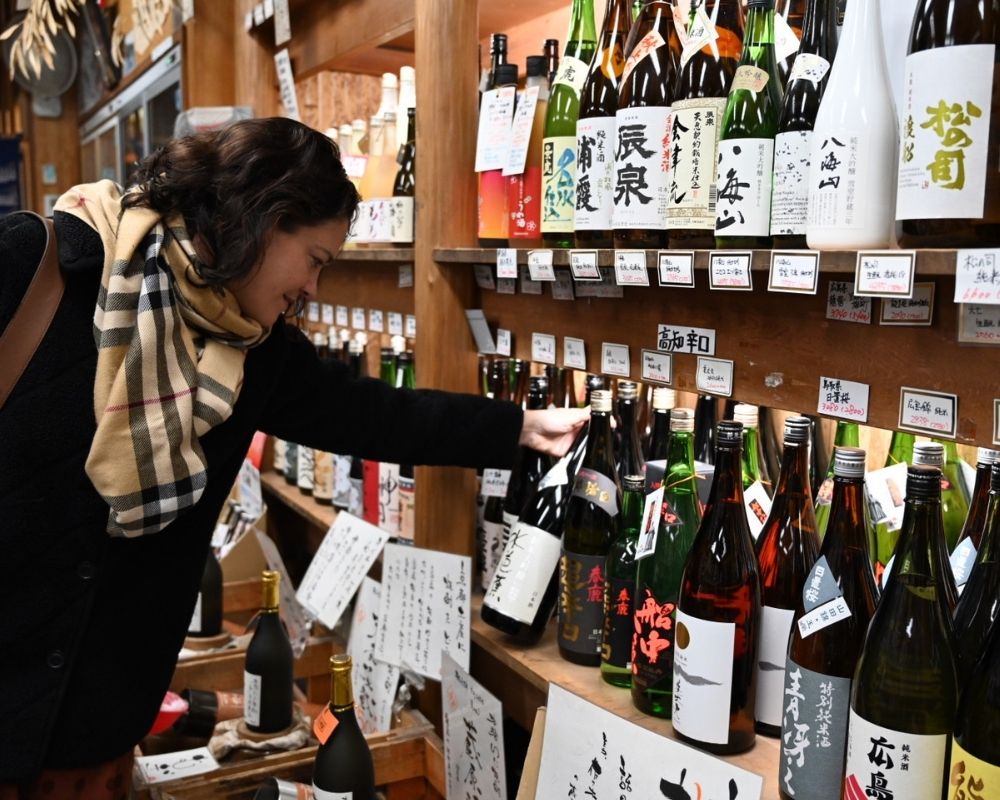
3. How to Choose a Good Sake for Christmas: Essential Criteria
Given the wide diversity of Japanese sake available today, a few simple reference points can help make an informed choice — especially when selecting a Christmas gift. At the crossroads of technique, culture and gastronomy, sake deserves the same level of attention as a fine wine.
Rice Polishing Ratio (Seimaibuai): the Key to Style
The seimaibuai indicates the percentage of rice remaining after polishing. The lower the number, the more the rice has been polished, and the more the sake tends towards aromatic purity and finesse.
- High seimaibuai (70% and above): Junmai and Honjozo styles, with more cereal-driven, clean profiles and a pronounced umami presence.
- Intermediate seimaibuai (around 60%): Ginjo and Junmai Ginjo, aromatic, elegant and highly appreciated as aperitifs or with refined dishes.
- Very low seimaibuai (50% and below): Daiginjo and Junmai Daiginjo, offering great precision, delicate textures and sakes designed for contemplation and celebration.
For Christmas, a Ginjo or Junmai Ginjo often represents the best balance between accessibility and refinement.
Serving Temperature: an Often Underestimated Factor
Contrary to popular belief, not all sake is meant to be served warm. Serving temperature has a significant impact on aromatic expression:
- Chilled (8–12°C / 46–54°F): ideal for Ginjo and Daiginjo, highlighting floral and fruity notes.
- Room temperature (15–18°C / 59–64°F): perfect for many Junmai styles, which gain depth and roundness.
- Gently warmed (40–45°C / 104–113°F): reserved for certain Junmai or Honjozo, particularly when paired with rich or comforting dishes.
When choosing a gift, opting for a versatile sake that performs well across several temperatures is often a wise decision.
The Role of Breweries (Kura) and Regions
As with wine, a sake’s identity is closely linked to its brewery (kura) and its region of production. Each kura has its own style, yeast selection, approach to polishing and fermentation.
Some regions are particularly renowned:
- Niigata: dry, pure and highly elegant sakes.
- Hyogo (Nada): a great historical tradition, producing structured styles.
- Kyoto (Fushimi): soft, rounded and accessible sakes.
- Yamagata, Akita: modern expressions, often aromatic.
- Harima: finesse, complexity and balance (discover our dedicated article on the topic).
Offering a sake also means offering a story, a craftsmanship and a distinct regional identity from Japan.
Food and Sake Pairings for the Festive Season
Sake is an outstanding companion for Christmas meals, often more versatile than wine thanks to its low acidity and natural umami.
Some festive pairing ideas:
- Oysters & seafood: chilled Junmai Ginjo, for finesse and minerality.
- Smoked fish (salmon, trout): aromatic Ginjo, complementing richness and salinity.
- Roast turkey or poultry: Junmai served at room temperature, offering depth and texture.
- Soft cheeses or umami-driven dishes: rich, structured Junmai or Koshu.
- Light desserts or fruit-based dishes: delicate Daiginjo and sparkling sake, served well chilled.
When well chosen, sake becomes a unifying thread throughout the festive meal, capable of accompanying several courses without ever overpowering them.
By understanding these key criteria — rice polishing, serving temperature, origin and food pairings — offering Japanese sake at Christmas becomes a confident, elegant and deeply gastronomic gesture.
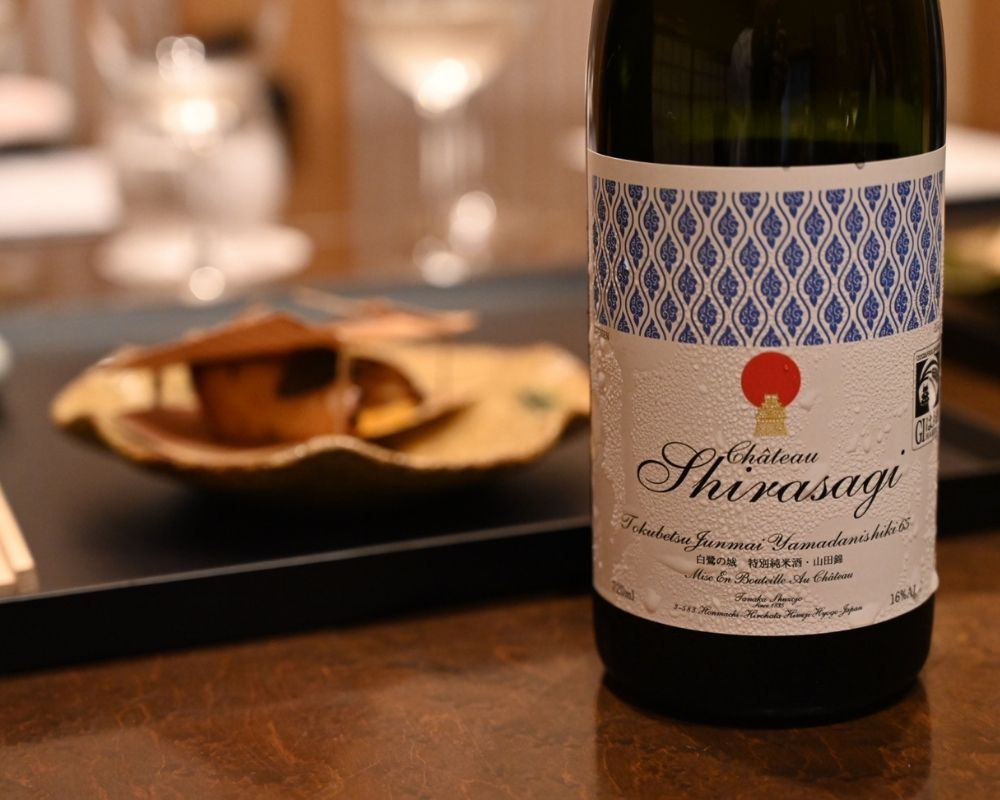
4. Where to Buy Good Japanese Sake for the Festive Season
Finding a good Japanese sake to offer at Christmas requires a certain level of discernment. Not all retailers provide the same quality of selection or the same level of expertise. Below are the most reliable options to make an informed choice and avoid common mistakes.
Specialist Wine Merchants: Expertise Comes First
Specialist retailers focusing on sake or world wines remain one of the best options for purchasing high-quality sake. Their added value lies in several key factors:
- a curated yet coherent selection, often sourced from well-regarded kura (breweries),
- proper storage conditions (temperature control and protection from light),
- personalised guidance based on your budget, the recipient’s profile and the intended use (aperitif, meal, tasting),
- precise advice on style, serving temperature and food–sake pairings.
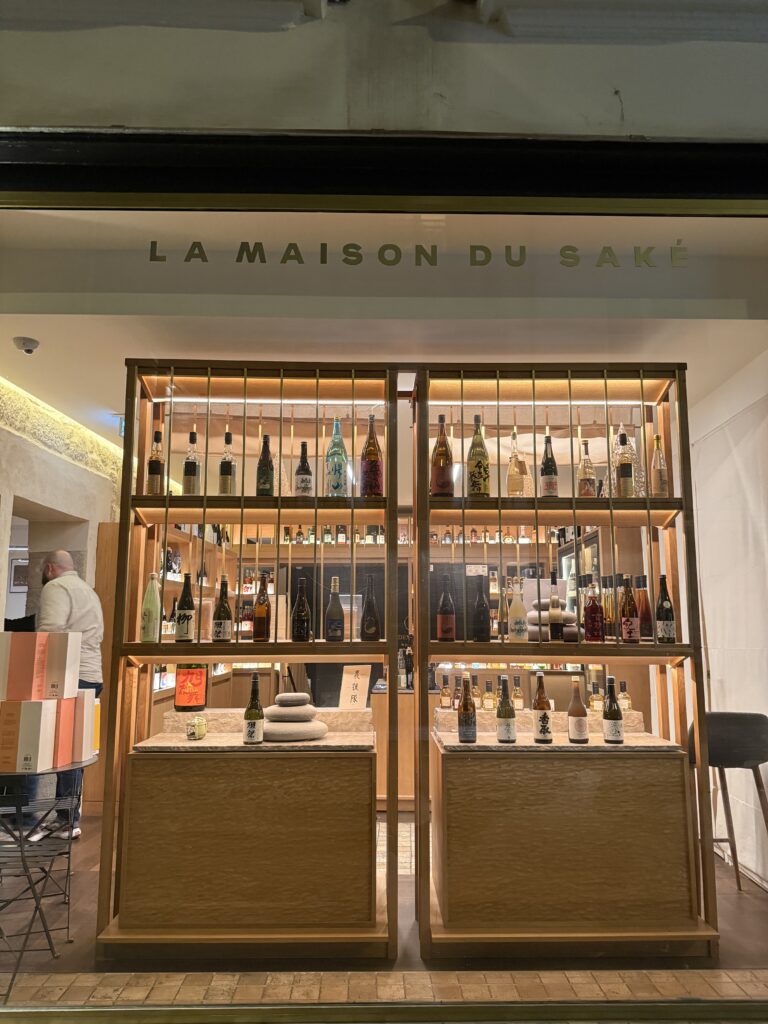
Our recommended addresses include:
- La Maison du Saké and L’Atelier du Saké in Paris,
- Weeno and France Japon Connexion in Marseille.
This is the ideal solution if you want to offer a sake while truly understanding what you are buying — and why.
Online Stores Dedicated to Japanese Sake
In recent years, several specialised e-commerce platforms have played a major role in increasing access to sake in France. They offer a number of advantages:
- a wide range of styles (Junmai, Ginjo, Daiginjo, premium sakes),
- detailed product descriptions (rice polishing ratio, region, aromatic profile),
- selections organised by use (beginners, food pairings, tasting),
- reliable logistics during the festive season.
These websites are particularly suitable if you are looking for a specific gift or already know the style of sake you wish to offer. They also make it easy to compare different bottles before making a decision.
Our preferred platforms include:
The Weeno Selection: Learning Sake Through Tasting
At Weeno, we have made a clear choice: sake is not just about the bottle, but about culture, method and a complete sensory experience.
As part of our courses, workshops and training programmes dedicated to Japanese sake, we work with carefully selected sakes chosen for both their pedagogical value and tasting quality. The sakes featured in our experiences allow participants to:
- understand the main Japanese sake styles,
- learn to identify aromatic profiles,
- master the basics of food–sake pairings,
- discover emblematic breweries and sakes that are sometimes difficult to find through mainstream retail channels.
We currently offer Sake Level 1 and Sake Level 2 courses.
The Level 2 course is available in English only, but we deliver it in a bilingual format with a French manual. Our training programmes are available in Paris, Marseille and online.
We will also begin selling sake from 2026, so stay connected.
Offering a Weeno sake experience therefore also means offering access to a demanding and well-contextualised selection, explained and put into perspective by experts.
For the festive season, this approach is increasingly appealing: rather than choosing alone, participants discover, learn and taste — with guidance.
Whether you choose a specialist wine merchant, a dedicated e-commerce platform or an immersive experience with Weeno, the essential principle remains the same: prioritise quality, expert advice and product understanding to make sake a truly memorable gift.
5. Offering an Experience Rather Than a Bottle: Weeno Gift Cards
At Christmas, offering Japanese sake can go far beyond the simple pleasure of tasting a bottle.
More and more people are looking for meaningful gifts — gifts that create real memories and offer an opportunity to learn. This is exactly what Weeno gift cards provide: transforming sake into a living, educational and memorable experience.
5.1 Why a Sake Experience Makes an Even More Meaningful Gift
Unlike a bottle, no matter how high its quality, a sake experience leaves a lasting impression.
A Memory That Endures
People remember a shared moment, a striking workshop or an unexpected discovery. A guided tasting or a masterclass becomes a memory associated with Christmas — long after the gift itself has been opened.
Learning and Cultural Discovery
Sake is deeply connected to Japanese culture: terroirs, traditions, craftsmanship and gastronomy. An experience allows participants to understand what they are drinking, to move beyond preconceived ideas and to explore sake through its styles, regions and uses.
Accessible at All Levels
Contrary to popular belief, no prior knowledge is required to enjoy sake. Weeno’s formats are designed to be progressive, clear and inclusive, whether for complete beginners or knowledgeable enthusiasts.
5.2 What Weeno Gift Cards Include
Weeno gift cards provide access to a comprehensive range of experiences dedicated to Japanese sake, tailored to different interests and levels.
Introductory Sake Workshops
An introduction to the fundamentals:
- sake styles (Junmai, Ginjo, Daiginjo),
- label reading,
- serving temperatures,
- first food–sake pairings.
An ideal format for a first encounter with sake.
Premium Sake Masterclasses
Designed for deeper exploration, these sessions focus on Japanese regions, emblematic breweries, high-end sakes and more advanced gastronomic pairings. A more technical and sensory immersion.
WSET Certified Sake Courses
Internationally recognised training programmes, structured across three levels, offering a rigorous approach for those seeking genuine expertise — whether driven by personal passion or professional ambition.
Sessions are available in Paris, Marseille or online, making the experience flexible regardless of the recipient’s location.
5.3 Who Are Weeno Gift Cards For?
Weeno gift cards dedicated to sake are suited to a wide range of profiles:
- curious beginners looking to discover sake without intimidation,
- epicureans seeking new tasting experiences,
- wine lovers eager to explore a related yet fundamentally different world,
- enthusiasts of Japanese culture drawn to its cultural and gastronomic depth,
- professionals (hospitality, sommeliers, wine merchants, HoReCa) seeking structure and credibility.
Offering a Weeno gift card means offering far more than a product: it is a gift of knowledge, pleasure and a unique cultural immersion into the world of Japanese sake.
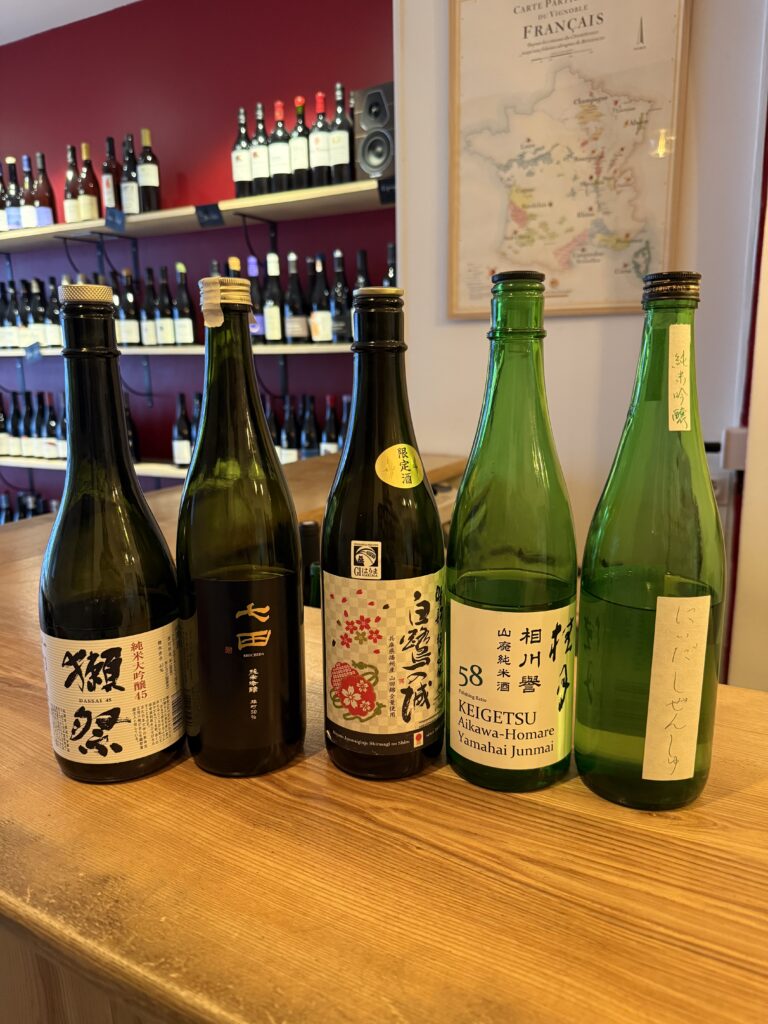
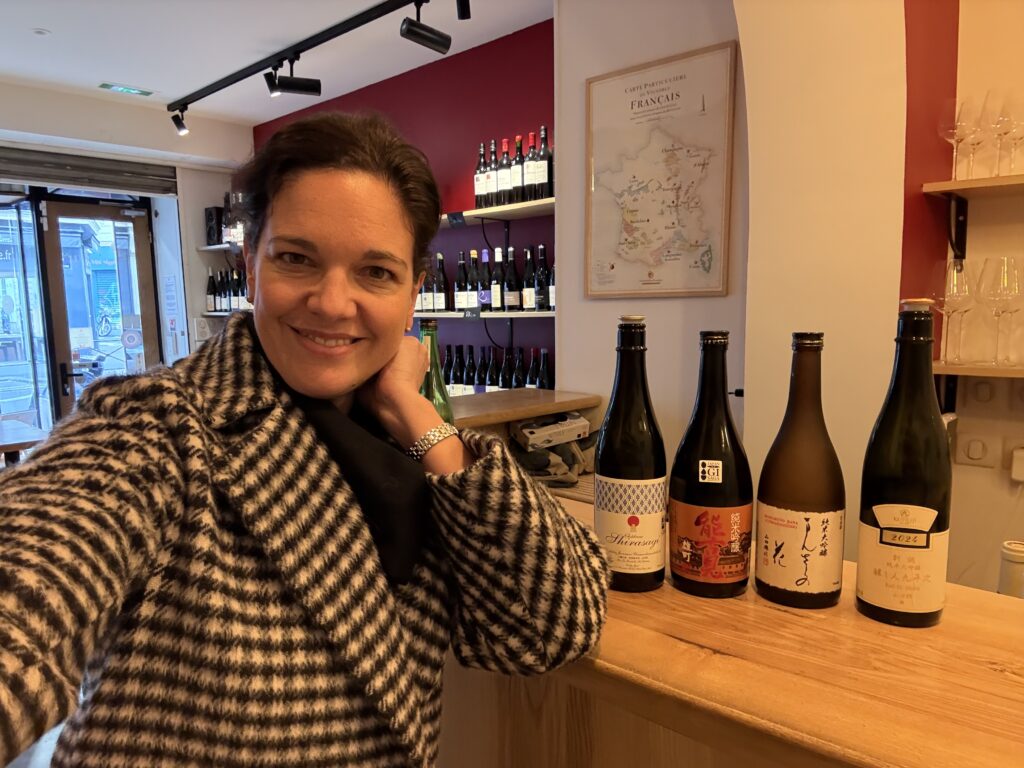
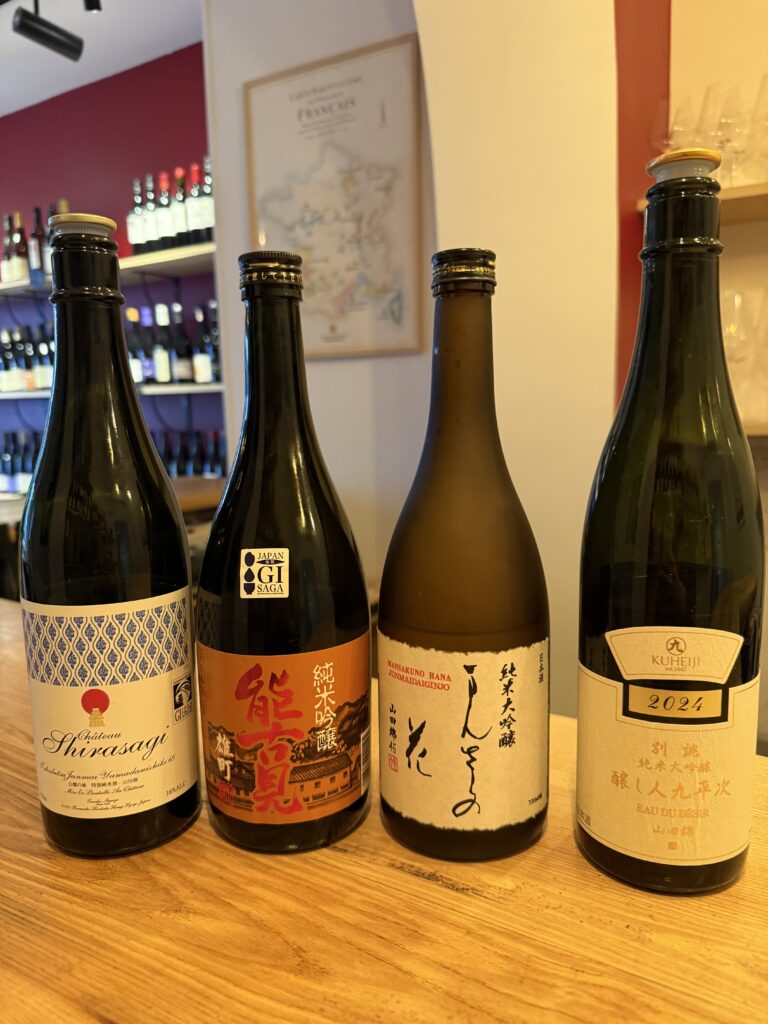
Japanese sake is now establishing itself as a Christmas gift that is both original, elegant and deeply rooted in culture.
Still unfamiliar to many, it sparks curiosity, surprises through its diversity of styles and captivates with its finesse. Offering sake means inviting someone to discover a rich universe, at the crossroads of Japanese tradition, gastronomy and sensory experience.
At a time when more and more people are looking to give meaningful gifts rather than simple objects, sake checks every box: it surprises, it brings people together and it creates genuine moments of sharing. And when it is passed on through a guided experience, it becomes an even more memorable gift.
This is precisely the philosophy behind Weeno gift cards: transforming sake into a living and memorable experience, accessible to all levels. Introductory workshops, premium masterclasses and WSET Sake certified courses — a range of formats designed to learn, taste and understand, whether in person in Paris or Marseille, or online.
👉 Looking for a Christmas gift that truly stands out?
Discover Weeno’s sake workshops, training programmes, masterclasses and gift cards, and offer a unique cultural and sensory experience built around Japanese sake.