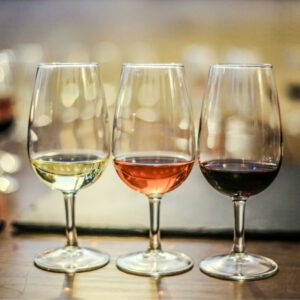
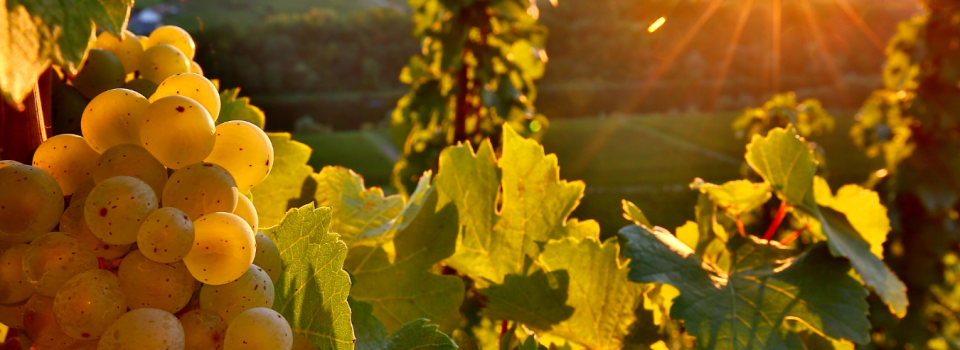
Among the world’s great white grape varieties, Riesling holds a very special place.
Primarily grown in the cool climates of Central Europe, it is renowned for its remarkable precision and its ability to express terroir with clarity while also developing beautifully with age over several decades.
One of the most distinctive features of the Riesling grape is its extraordinary diversity of styles. Depending on the region, climate and winemaking decisions, it can produce wines that range from bone dry to delicately off-dry, and even some of the world’s finest sweet wines. This stylistic range makes Riesling one of the most fascinating grape varieties to study and taste.
Beyond its sensory qualities, Riesling is widely regarded as one of the grape varieties most transparent to terroir. Climate, vineyard exposure, soil composition and grape maturity all directly influence the final style of the wine. This sensitivity to its environment makes Riesling an exceptional educational example for understanding how wine styles are shaped.
For this reason, Riesling plays a central role in learning how to taste and understand wine, particularly within Wine & Spirit Education Trust (WSET) programmes. Studying this grape variety not only helps identify its aromatic characteristics but also introduces the key concepts that structure the analysis of great wines: climate, terroir, balance and ageing potential.
Understanding Riesling is often a turning point in developing a deeper understanding of wine.
1. Origins and history of Riesling
The origins of Riesling are generally traced back to Germany, particularly the Rhine Valley, one of the historic birthplaces of European viticulture. The first written reference to the grape dates back to 1435, in the archives of Count Katzenelnbogen, where the purchase of vines referred to as “Rieslingen” is recorded. This document is considered one of the earliest known mentions of the grape variety.
Over the centuries, Riesling gradually established itself as one of the most important white grape varieties in Central Europe. Its ability to ripen slowly in cool climates while retaining high acidity makes it particularly well suited to producing precise, structured wines with significant ageing potential. By the 18th and 19th centuries, wines made from Riesling were already among the most sought-after bottles on Europe’s finest tables.
Beyond its viticultural importance, Riesling now occupies a central place in the cultural and historical identity of the regions where it thrives. It represents both a long-standing winemaking tradition and a remarkable capacity to produce wines of exceptional longevity, often regarded among the greatest white wines in the world.
2. Riesling around the world: the major production regions
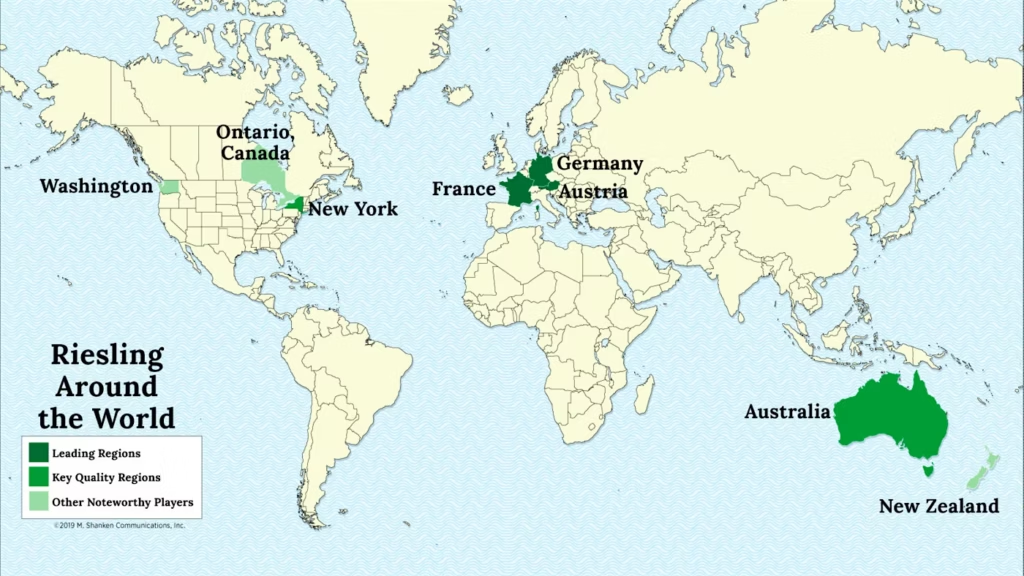
Although Riesling is historically associated with Germany, it has gradually established itself in several wine regions around the world. Wherever it is grown, the grape reveals one of its most distinctive characteristics: an exceptional ability to reflect climate and terroir with precision.
Germany
Germany remains the global reference for Riesling. In its cool-climate regions, the grape achieves a remarkable balance between ripeness and acidity, producing wines of great aromatic precision and longevity.
Among the most renowned regions:
- Mosel, famous for delicate, often off-dry Rieslings with vibrant acidity and notes of citrus and wet stone.
- Rheingau, where wines are typically more structured and powerful.
- Rheinhessen, now one of the most dynamic regions for high-quality Riesling production.
- Nahe, known for elegant and complex wines.
- Pfalz, where Rieslings are often riper and more generous in style.
Alsace, France
In Alsace, Riesling is one of the region’s flagship grape varieties. The style is typically dry, structured and highly gastronomic, producing wines capable of ageing for many years.
Some of the finest examples come from the 51 Grand Cru vineyards, where varied soils—granite, schist and limestone—strongly influence the aromatic expression and texture of the wines.
Austria
In Austria, Riesling thrives particularly in Wachau and Kamptal. Wines here are typically dry, precise and tension-driven, with remarkable aromatic purity and pronounced minerality.
The New World
Riesling has also found excellent expressions in several New World wine regions, especially those with cooler climates.
In Australia, notably in Clare Valley and Eden Valley, the wines are often intensely aromatic, marked by bright citrus notes and sharp acidity.
In the United States, regions such as Finger Lakes and Washington State produce Rieslings ranging from dry to off-dry, often with impressive aromatic precision.
Finally, New Zealand has also begun producing notable Rieslings in several cool-climate areas, typically very expressive and vibrant.
Overall, the diversity of Riesling styles around the world perfectly illustrates how climate and terroir shape the expression of a grape variety. The same grape can produce dramatically different wines depending on its environment, making Riesling an ideal educational example for understanding the concept of wine style.

3. What does Riesling taste like? Tasting profile and styles
Riesling is one of the most distinctive white grape varieties in a tasting lineup. Its signature lies in its high acidity, remarkable aromatic precision, and its ability to produce wines across a wide stylistic spectrum, from bone-dry to intensely sweet.
Appearance
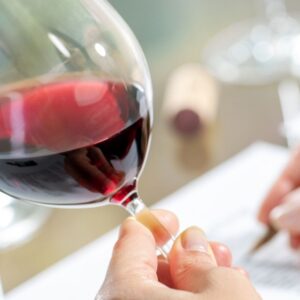
In the glass, Riesling wines are typically pale in color, often with green reflections in their youth.
As the wine ages, the color can gradually evolve toward light golden hues.
Nose
The aromatic profile of Riesling is highly expressive and evolves significantly with age.
In youthful wines, common aromas include lemon and lime, green apple, and white flowers.
With bottle ageing, more complex aromas may develop, such as flint or wet stone, honey, candied fruit, and sometimes the famous hydrocarbon (petrol) note, a hallmark often found in mature Rieslings.
Palate
On the palate, Riesling is typically defined by:
- high acidity, bringing tension and freshness
- a light to medium body
- intense and precise aromatics
- variable sweetness levels, depending on the style.
This naturally high acidity plays a crucial role: it balances sweeter styles and contributes to the remarkable ageing potential of the grape.
The Different Styles of Riesling
One of Riesling’s defining features is its ability to produce very different wine styles depending on climate, region and winemaking choices.
Dry Riesling
Common in Alsace and in certain German wines labeled Trocken, this style emphasizes purity of fruit, freshness and minerality.
Off-Dry Riesling
These wines contain a small amount of residual sugar balanced by the grape’s naturally high acidity. This sugar–acidity balance often creates particularly harmonious and food-friendly wines, especially in Germany.
Sweet Riesling
In certain climatic conditions, grapes may be affected by Botrytis cinerea (noble rot), allowing the production of highly concentrated sweet wines. In Germany, these include styles such as Beerenauslese and Trockenbeerenauslese.
Another famous style is Eiswein, produced from grapes harvested while frozen on the vine.
This stylistic diversity is one of the reasons Riesling is often considered one of the most educational grape varieties for understanding wine balance, particularly the fundamental interaction between sugar and acidity.
4. Can Riesling age for a long time? Why does it sometimes smell like petrol?
Riesling is widely known for its exceptional ageing potential, with the finest examples capable of evolving gracefully for several decades. This longevity is mainly explained by three key factors.
First, Riesling naturally possesses high acidity, which acts as the structural backbone of the wine and helps preserve freshness and balance over time. Second, the grape can develop significant aromatic concentration, linked to grape maturity and the intrinsic precision of the variety. Finally, in certain styles mentioned earlier, the presence of residual sugar also contributes to the wine’s ageing capacity.
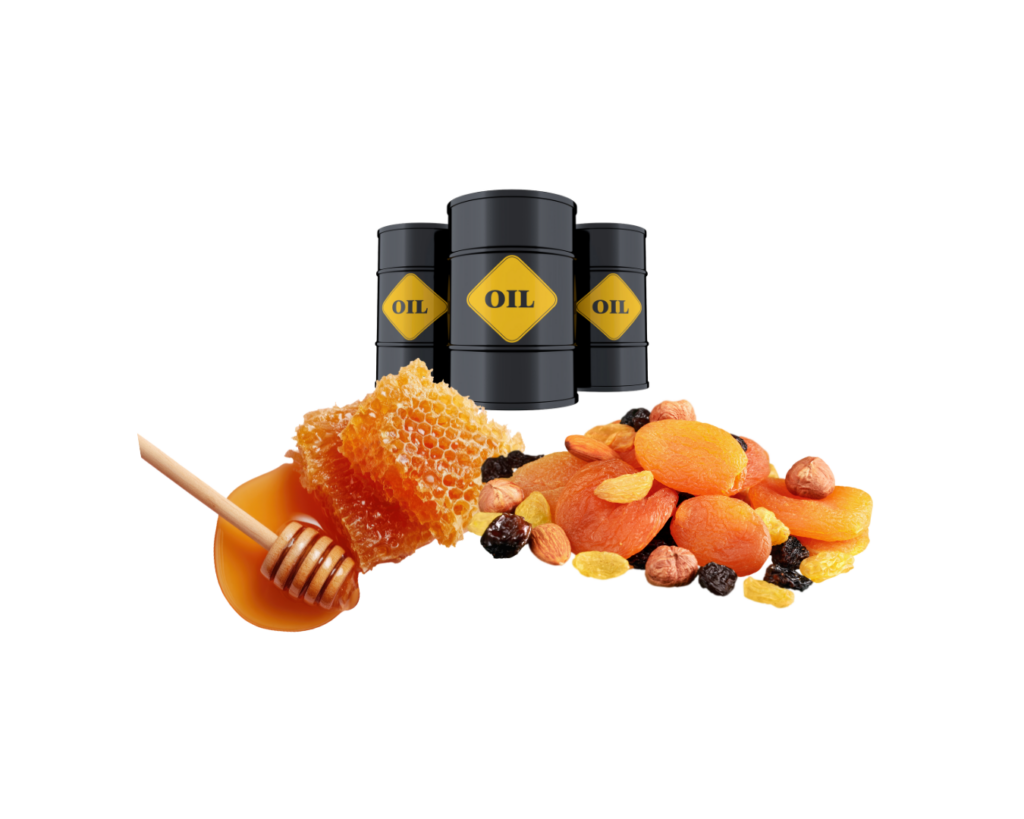
As Riesling ages, its aromatic profile evolves considerably. Fresh fruit notes gradually give way to more complex aromas such as honey, candied fruit and hydrocarbons — the famous petrol note often associated with mature Rieslings.
This petrol-like character is linked to the development of a compound called TDN (1,1,6-trimethyl-1,2-dihydronaphthalene) during bottle ageing. While sometimes surprising to newcomers, it is widely considered a classic and desirable marker of maturity in great Rieslings.
In the best regions and vintages, these wines can therefore evolve and gain complexity over several decades, while still retaining remarkable freshness.
5. The best food pairings with Riesling
Among sommeliers, Riesling is often considered one of the most gastronomic white wines in the world. This reputation comes from a particularly effective balance between high acidity and potential residual sugar, two elements that give the wine remarkable versatility at the table.
Acidity brings freshness and tension, helping to cut through the richness of certain dishes, while a touch of residual sugar can balance spicy or intensely flavored cuisine. This combination explains why Riesling pairs successfully with a wide range of foods.
So, what foods pair well with Riesling?
Some classic pairings include:
- Asian cuisine, particularly Thai or Vietnamese dishes, where the balance of sweetness and acidity complements spices and aromatic herbs.
- Spicy dishes, where an off-dry Riesling can soften the heat of spices.
- Seafood and fish, which benefit from the freshness and precision of dry Riesling styles.
- Pork dishes, often paired with Riesling in Central European culinary traditions.
- Alsace cuisine, such as choucroute, where Alsatian Riesling naturally complements the dish’s acidity and richness.
- Certain cheeses, whose aromatic intensity can be balanced by the wine’s tension and freshness.
This versatility makes Riesling one of the most adaptable wines for food pairing, capable of accompanying both traditional dishes and more contemporary cuisines.
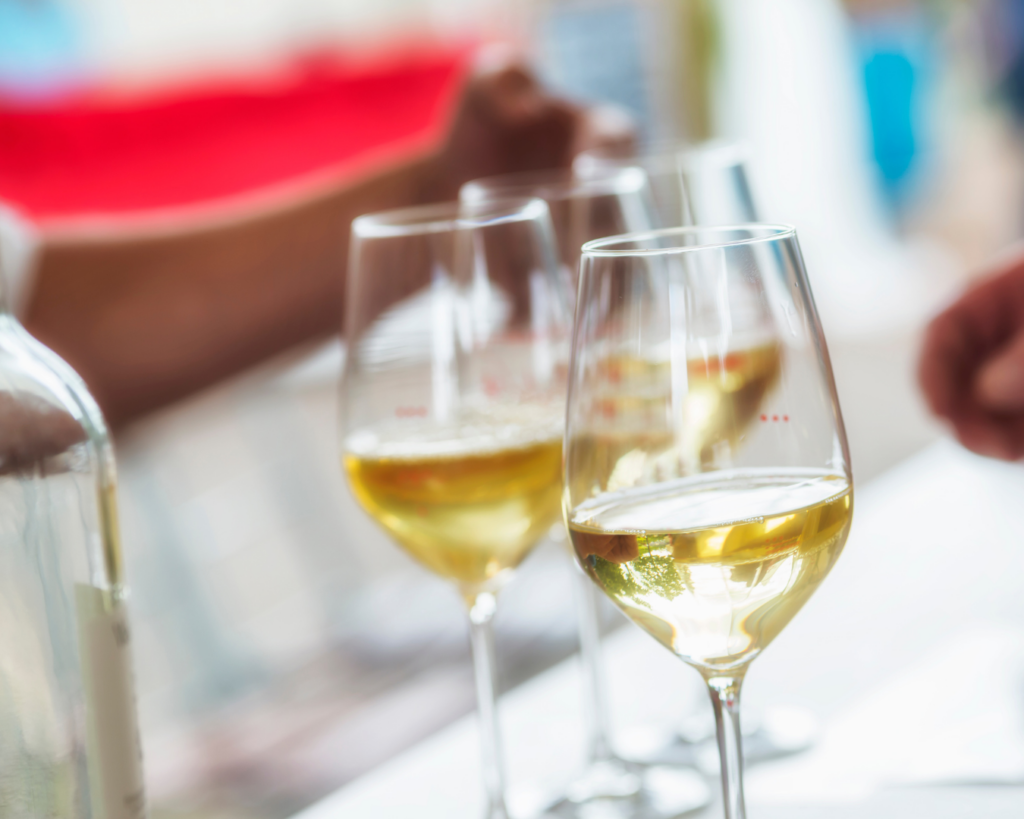
6. How to recognize Riesling in a tasting
Identifying a Riesling in a blind tasting is not only about remembering aromas. The key lies in using a structured tasting method, which allows the wine to be analyzed objectively and its characteristics linked to their origin.
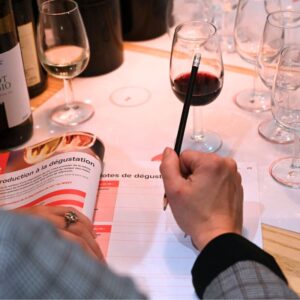
In the pedagogical approach used in professional training, particularly in Wine & Spirit Education Trust (WSET) programmes, the analysis follows several steps. First, the appearance of the wine is observed, then the aromas are identified on the nose, before evaluating the structure on the palate: acidity, sweetness level, aromatic intensity and length.
Riesling typically stands out through several defining characteristics:
- high acidity, providing freshness and tension
- precise and expressive aromatics
- a profile often dominated by citrus, green fruit and floral notes, sometimes complemented by hydrocarbon aromas with age.
Comparing different styles is also essential. Tasting an off-dry German Riesling, a dry Riesling from Alsace, and an Australian Riesling side by side allows tasters to better understand how climate, terroir and winemaking decisions shape the final style of the wine.
This analytical approach — observing, comparing and linking sensory characteristics to their causes — forms the foundation of professional wine education and tasting methodology.
Riesling: a grape variety that helps you understand wine
Riesling occupies a unique place in the world of wine. A truly noble grape variety, it stands out for its remarkable diversity of styles, capable of producing dry, off-dry and sweet wines while maintaining a distinctive and recognizable aromatic identity.
Its exceptional ageing potential, naturally high acidity and ability to reflect terroir with great precision also make it a particularly fascinating grape to study. Depending on region, climate and winemaking practices, Riesling can express dramatically different profiles, making it an ideal case study for understanding how wine styles are shaped.
In this sense, Riesling goes far beyond simple tasting pleasure. It becomes a powerful educational tool for exploring the essential concepts of climate, terroir, balance and wine evolution.
For those who wish to go further — learning how to analyze wines in a structured way and building a solid wine culture — WSET programmes provide a particularly effective framework. These courses teach a rigorous tasting methodology, develop a deep understanding of global wine styles and help structure long-term wine knowledge, whether you are a passionate enthusiast or a professional in the industry.
Our WSET Wine courses Levels 1 to 3 are available in Paris, Marseille and online. They can also be combined with professional English certifications through CLOE or LTE and may be financed through training funding schemes such as the CPF.
You can visit our website to discover the full programme and learn more about upcoming sessions.