Tequila and mezcal are often grouped together under the same label: Mexican agave spirits. That is true — but it is also incomplete. Behind this apparent proximity, these two categories rely on distinct production frameworks, raw materials and sensory profiles. Understanding tequila and mezcal is therefore not just about distinguishing two names. It is about learning to read the impact of terroir, agave, cooking, fermentation, distillation and ageing on the final style of the spirit.
This is also what makes them especially interesting in cocktails. Neither tequila nor mezcal is a neutral base spirit. Both bring a strong aromatic identity that directly shapes the balance of the drink. From a tasting and mixology perspective, it is therefore more useful to think of them as style-driven spirits rather than interchangeable ingredients. This way of reading them is fully consistent with the WSET approach to spirits, which places emphasis on production factors and their influence on style and quality.
1. Tequila and mezcal: what is the fundamental difference?
The confusion between tequila and mezcal often comes from one simple point: both are Mexican spirits made from agave. That is true. But stopping there would be like saying all wines taste the same because they come from grapes. What truly separates tequila from mezcal is a combination of production rules, authorised raw materials and technical practices that directly shape the final style of the spirit.
Two Different Regulatory Frameworks
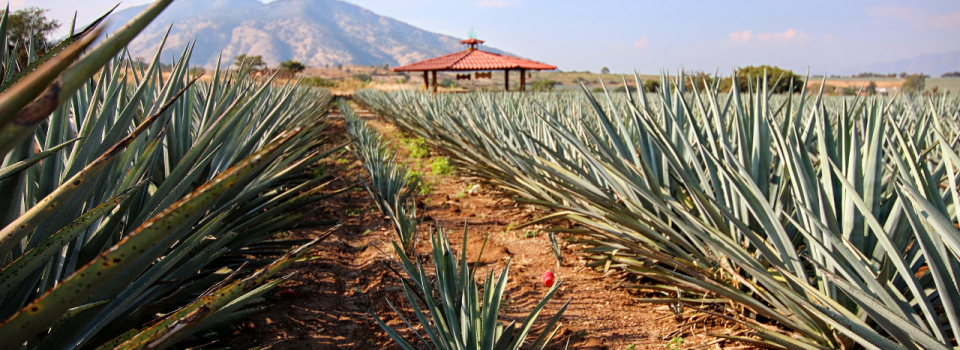
Tequila is governed by NOM-006-SCFI-2012. This official Mexican standard restricts tequila production to a single agave variety: Agave tequilana Weber var. azul, better known as blue agave. It also sets precise rules regarding production, bottling, labelling and tequila categories.
Mezcal, by contrast, is governed by NOM-070-SCFI-2016. This standard allows the use of multiple agave species and distinguishes several production categories, notably Mezcal, Mezcal Artesanal and Mezcal Ancestral. This broader regulatory framework opens the door to a much wider range of styles and sensory profiles.
A Difference in Raw Material — and Therefore in Style
This is probably the most important point. Tequila is built on a single varietal base, whereas mezcal can be produced from a much broader spectrum of agaves, depending on region and local tradition. In agave spirits, the raw material is not a secondary factor: it directly influences texture, aromatic intensity, vegetal character, fruity or spicy perception, and even the overall structure of the distillate.
In other words, tequila tends to offer a more framed and consistent identity at its foundation, while mezcal allows for a more diverse, open and often more contrasted expression.
A Different Production Logic
The difference does not lie only in the agave used, but also in how it is transformed. In common production practice, tequila is often associated with more standardised and more regular processes, while mezcal retains, depending on the category, a greater place for artisanal or ancestral approaches explicitly recognised by the regulation itself. This is precisely what the artesanal and ancestral categories in mezcal law reflect.
That does not mean one is “better” than the other. It simply means that tequila and mezcal do not tell the same story in the glass.
Tequila and Mezcal: A Difference in Reading, Not a Hierarchy
In practice, the distinction can be summarised like this:
- Tequila is a more strictly defined category, centred on blue agave and a very precise regulatory identity.
- Mezcal is a broader, more heterogeneous category that allows for greater varietal diversity and a wider range of production styles.
This is a major difference, because it already determines a large part of the final sensory profile. Tequila is often read as an origin spirit with a more clearly framed identity. Mezcal, by contrast, is better understood as a broader family, where the diversity of agaves, places and production methods opens up a much wider stylistic spectrum.
In other words, tequila is not a simplified subset of mezcal, and mezcal is not just a smoky tequila. They are two categories in their own right, each with its own rules, production logic and uses.

2. What shapes the style: agave, cooking, fermentation and distillation
While regulation helps distinguish tequila from mezcal, the real style is shaped above all in production. This is where a category becomes a flavour, and an appellation becomes a sensory identity. In a WSET approach, this logic is central: what you perceive in the glass is the direct result of a sequence of technical choices — raw material, cooking, fermentation, distillation and possible ageing — not simply a name on the label.
Agave: the foundation of style
Everything begins with the agave. Its variety, of course, but also its maturity at harvest. A more or less mature plant does not offer the same concentration of fermentable sugars, nor the same aromatic profile. In tequila, the varietal base is narrower, since the rules require blue agave. In mezcal, the diversity of permitted agave species immediately opens a much broader spectrum of possible profiles. This means the raw material does not play a secondary role: it already defines part of the spirit’s texture, intensity and final character.
Cooking: a decisive stage
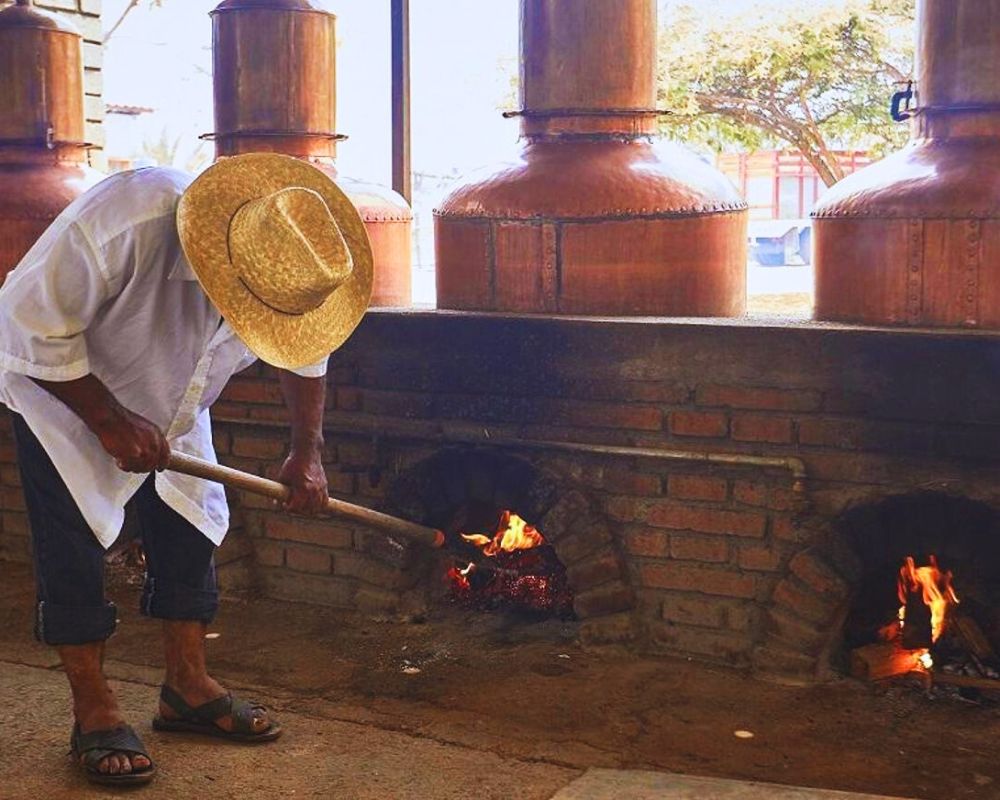
In tequila, production is generally described as relying on steam-cooking the piñas, in ovens or autoclaves, before extraction, fermentation and distillation. This stage converts complex carbohydrates into fermentable sugars and already shapes the style: depending on the equipment used and the way cooking is managed, the result can lean toward cleaner, more vegetal or rounder profiles.
In mezcal, cooking can also be done with steam, but the regulations also recognise practices in which the agave hearts are cooked in underground pits. This is a major point, because this method helps explain the more frequent presence of smoky, earthy or empyreumatic notes in certain mezcals. That said, it is important to avoid oversimplification: not all mezcals are “smoky” in the same way, and smoke is only one element within the broader style.
Fermentation: the often underestimated stage
Fermentation is one of the most decisive stages, and yet one of the least visible to the general public. It directly influences texture, aromatic intensity, fruity expression, tension or rusticity in the distillate. Fermentation length, the use or non-use of selected yeasts, temperature, and the presence or absence of fibres all shape the final style. In mezcal, some methods may include fermentation — and sometimes even distillation — with agave fibres, which adds body and can increase aromatic depth and relief.
Distillation: precision or breadth
Tequila is generally distilled in pot stills or column stills, as WSET teaching materials explain. These technical choices directly affect the texture and clarity of the spirit: depending on the distillation method, the profile may become more precise, lighter and straighter, or, on the contrary, more textured.
Mezcal, by contrast, retains a much greater diversity of practices, including within categories recognised as artesanal or ancestral. This technical variety contributes strongly to the diversity of sensory profiles found in the category. It helps explain why one mezcal may seem wilder, denser, more rustic or more complex than a tightly framed tequila, without implying any hierarchy of quality.
Ageing: one factor among others
As with other spirits, ageing can later modify the initial profile. But it is important not to overestimate the role of wood: in agave spirits, the heart of the style is often determined before ageing, in the raw material and production process. A reposado or añejo may bring roundness, vanilla notes, sweet spices or oxidative patina, but it does not replace the base signature of the distillate. This is an important distinction in the WSET approach: ageing completes a style, it does not explain it on its own.
The real logic of style
This is where the real reading of style appears. It is not simply “tequila vs mezcal” that determines what you taste, but a set of technical choices:
- the maturity of the agave
- the cooking method
- the length and type of fermentation
- the distillation style
- the possible ageing
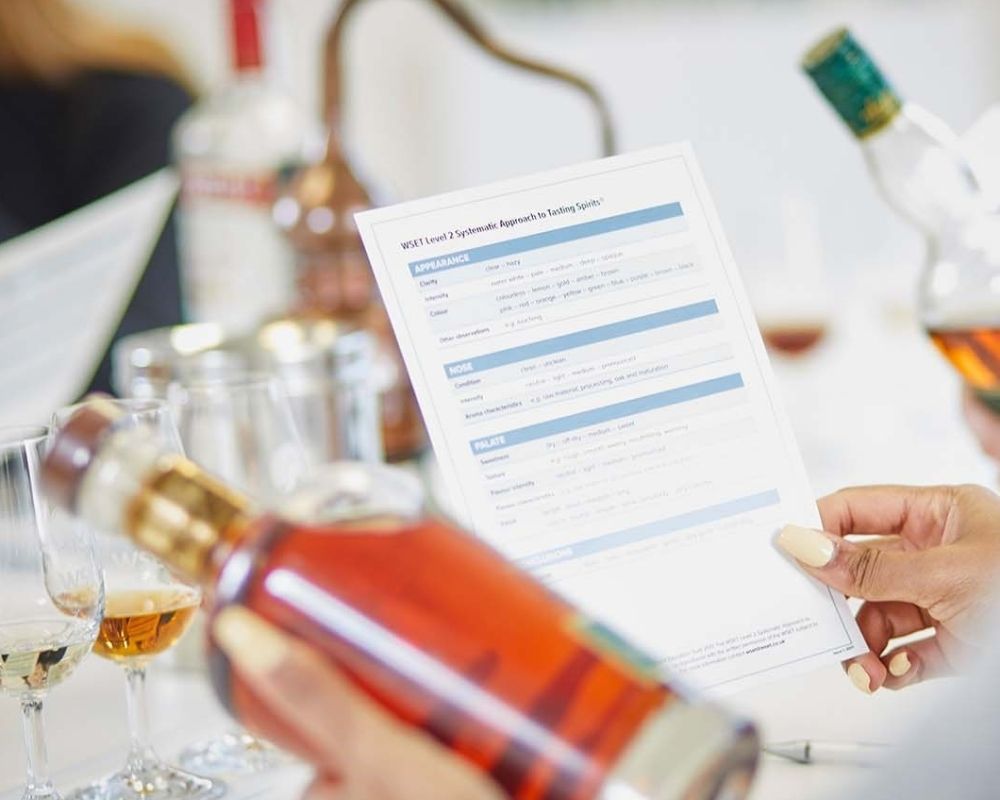
In a WSET approach, these are precisely the production factors that explain why two agave spirits can be radically different in the glass. Understanding this already means moving beyond a simplistic category-based reading and toward a more accurate one: style, method and production intent.
And that is exactly what we do in our WSET Spirits courses. To go further, you can also read our dedicated blog article on the subject.
3. The main categories to know
For tequila, the most important labelling terms are Tequila and Tequila 100% Agave, followed by the main ageing categories: Blanco, Joven/Oro, Reposado, Añejo and Extra Añejo.
These terms already give a clear indication of the style you can expect, especially in terms of the balance between agave purity and oak influence.
To go further, you can visit our dedicated blog article to learn everything about tequila.
For mezcal, the key terms include Mezcal, Mezcal Artesanal and Mezcal Ancestral, along with ageing categories such as Blanco, Reposado and Añejo.Here again, these words are not decorative. They provide useful information about more or less traditional production methods, and therefore about the final aromatic expression of the spirit.
4. What should you expect in the glass?
A well-made 100% agave blanco tequila often shows a clean profile, with notes of fresh agave, citrus, sometimes peppery or herbal tones, and a fairly direct texture.
With ageing — in reposado or añejo styles — oak adds more roundness, along with notes of vanilla, sweet spice and a more mellow, patinated profile.
Mezcal, by contrast, often delivers a more immediately expressive and more varied profile. Depending on the agave and the cooking method, you may find smoky, earthy, vegetal, spicy or more untamed notes. Not all mezcals are “smoky” in a caricatural way, but the category allows for much greater diversity, which helps explain why it fascinates so many lovers of characterful spirits.
This diversity is directly linked to the plurality of agave species and to the different recognised production categories.
5. Tequila or mezcal in cocktails: how should you choose?
In cocktails, tequila works particularly well when you are looking for precision, freshness and clear aromatic definition. A blanco tequila naturally finds its place in sharp, citrus-driven structures such as the Margarita, or in more direct highballs such as the Paloma. A reposado, with more roundness, can better support recipes that are richer or more textured. This recommendation follows naturally from the structure and styles of tequila as described in WSET spirits education.
Mezcal serves a different function. In cocktails, its real value often lies in adding an extra aromatic layer: smoke, vegetal tension, earthy depth or mineral lift. It works particularly well in twists where the goal is to add complexity to an already familiar base, such as a Mezcal Margarita, an Oaxaca Old Fashioned, or in split-base serves with tequila where the balance between clarity and depth is the goal.
The point here is not to “replace” tequila with mezcal as a rule, but to understand what each base spirit brings to the architecture of the cocktail. This is a style-based reading, fully consistent with a sensory approach to spirits.
6. Three cocktail approaches worth knowing
Tequila and mezcal are often studied in neat tasting, but they also make complete sense in cocktails — provided, of course, that they are not treated as interchangeable neutral bases. In a serious reading of spirits, a well-built cocktail can actually help you better understand what the spirit truly brings to the glass: freshness, texture, aromatic depth, tension or length.
Here are three particularly useful approaches for understanding how tequila and mezcal work in mixology.
Margarita: the precision of blanco tequila
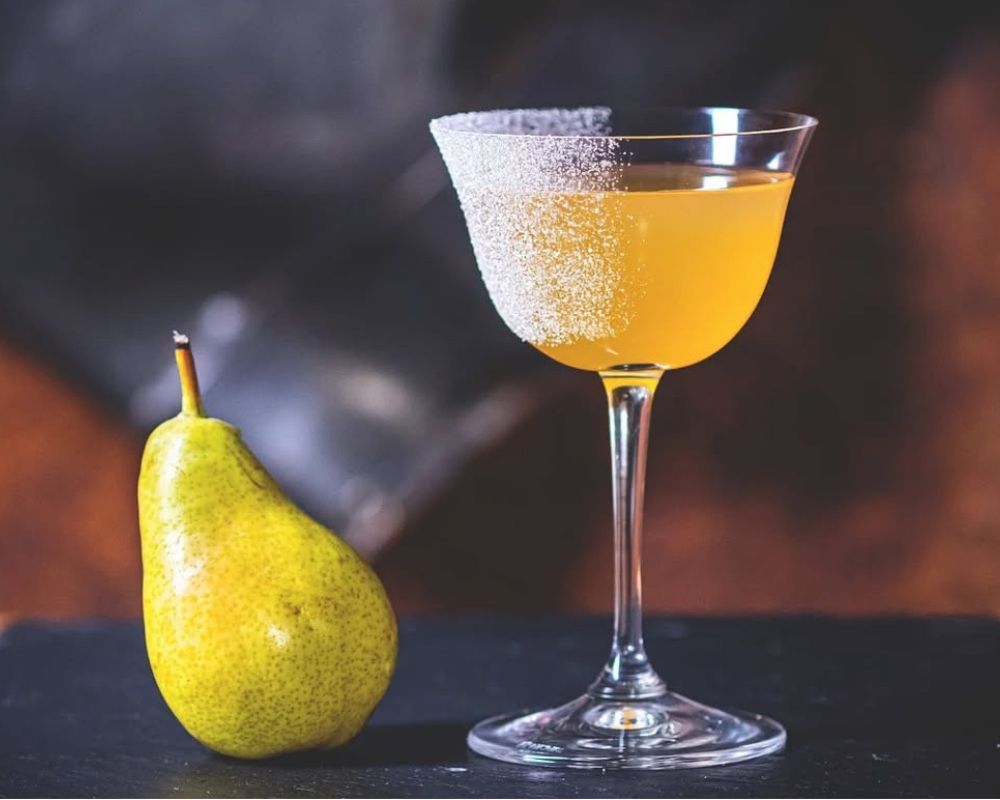
The Margarita remains the benchmark cocktail for understanding the value of a 100% agave blanco tequila. The structure is simple, but highly revealing. If the tequila is well made, it keeps its identity despite the acidity of lime and the orange liqueur. What comes through is exactly what makes the spirit interesting: clarity, freshness, tension and a vegetal-citrus identity.
Classic recipe
- 50 ml 100% agave blanco tequila
- 20 ml triple sec or Cointreau
- 20 ml fresh lime juice
Method
- Pour all ingredients into a shaker filled with ice.
- Shake hard for around 10 seconds.
- Strain into a coupe or cocktail glass.
- Serve with or without a salt rim, depending on the style you want.
What this cocktail shows
The Margarita is an excellent case study: it shows that a good tequila does not disappear in the cocktail. On the contrary, it gives structure to the whole drink. A more precise tequila will deliver a Margarita that is cleaner, more tense and more readable. A heavier or more neutral tequila will produce a less focused result.
Paloma: lengthened freshness
The Paloma perfectly illustrates tequila’s ability to work in drinks that are more accessible, longer and often more refreshing. Grapefruit, with its light bitterness and aromatic brightness, naturally complements the agave profile. It is also a particularly useful cocktail for showing that the quality of the base spirit truly changes the final result.
Simple recipe
- 50 ml blanco tequila
- 100 to 120 ml grapefruit soda
- 10 ml fresh lime juice
- a pinch of salt (optional)
Method
- Fill a highball glass with ice.
- Pour in the tequila, then the lime juice.
- Top with grapefruit soda.
- Stir gently.
- Garnish, if desired, with a wedge of grapefruit or lime.
A more artisanal variation
For a version that is less sweet and more precise:
- 50 ml blanco tequila
- 60 ml fresh pink grapefruit juice
- 15 ml fresh lime juice
- 10 ml agave syrup
- sparkling water to top
This version highlights the freshness of the tequila even more clearly and results in a more gastronomic cocktail.
What this cocktail shows
The Paloma helps explain how tequila can work in a long, fresh and technically simple cocktail without losing its identity. It is also an excellent format for those who want to discover tequila in a way that moves beyond shots or overly sweet drinks.
Mezcal Cocktails: Working with Depth
Mezcal brings something different to the glass. In cocktails, its interest does not lie only in a possible smoky character, but in its ability to add depth, relief and tension. It can be used as the main base or in a smaller proportion to transform the identity of a classic cocktail.
From a pedagogical perspective, it is an ideal tool for showing that the same recipe structure can take on a completely different personality depending on the spirit used.
Option 1: Mezcal Margarita
Recipe
- 50 ml mezcal
- 20 ml triple sec
- 20 ml fresh lime juice
Method
Use the same method as for a classic Margarita: shake all ingredients with ice and strain into a cocktail glass.
What this changes
The drink often becomes more earthy, broader and sometimes more austere, with greater aromatic depth. Where blanco tequila gives clarity and sharpness, mezcal often adds more relief and complexity.
Option 2: Split Base Tequila + Mezcal
This is often one of the best ways to use mezcal in cocktails without overwhelming the balance.
Recipe
- 30 ml blanco tequila
- 20 ml mezcal
- 20 ml triple sec
- 20 ml fresh lime juice
This approach keeps the freshness and readability of the tequila while adding the mezcal’s deeper aromatic dimension.
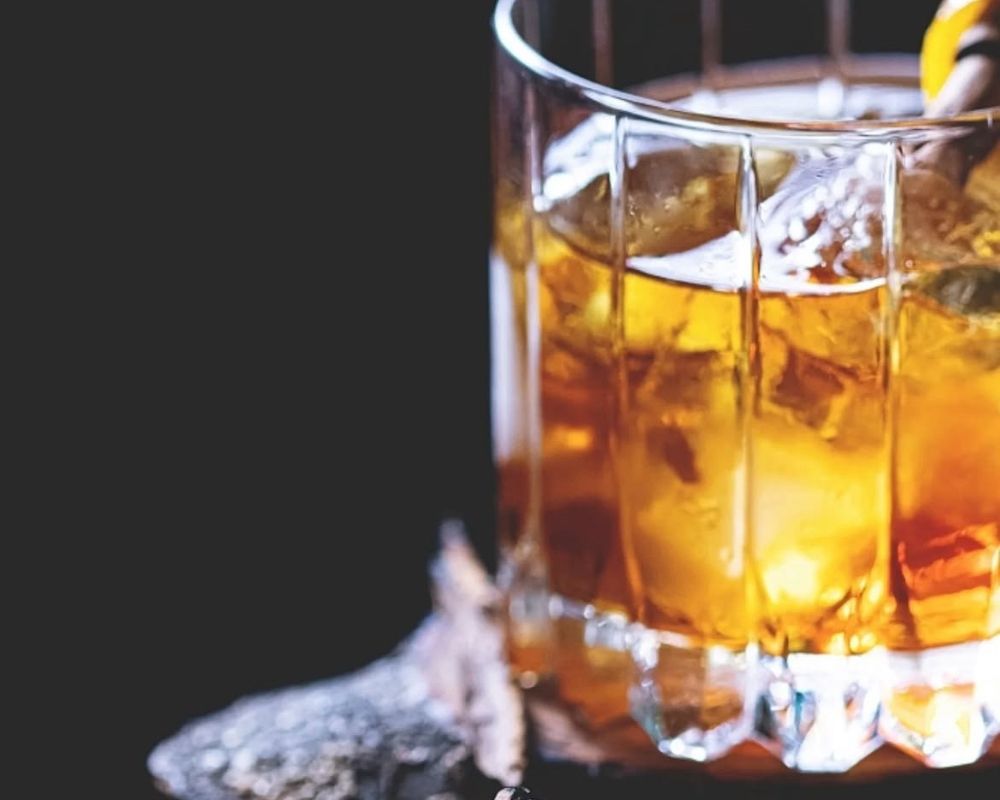
Option 3: Oaxaca Old Fashioned
This is one of the great modern classics for using mezcal in a more spirit-forward style.
Recipe
- 30 ml reposado tequila
- 15 ml mezcal
- 10 ml agave syrup
- 2 dashes Angostura bitters
Method
- Stir all ingredients with ice in a mixing glass.
- Serve over a large ice cube in an Old Fashioned glass.
- Express an orange zest over the drink.
What this cocktail shows
The Oaxaca Old Fashioned illustrates the role of mezcal very well as an aromatic accent. It adds an extra dimension to a classic structure without necessarily dominating the cocktail.
These three approaches highlight something essential:
tequila and mezcal do not play the same role in a cocktail.
- Tequila often brings freshness, precision, tension and clarity.
- Mezcal brings depth, texture, relief and aromatic complexity.
In all cases, the quality of the base spirit matters. A good cocktail does not hide a spirit — it shapes it. And that is precisely what makes these categories so interesting to work with, both for enthusiasts and in a more professional approach to tasting and mixology.
7. Why these two categories are so fascinating to study
Tequila and mezcal are particularly valuable case studies for understanding spirits. They offer a clear way to explore the importance of raw material, as well as the influence of cooking, fermentation, distillation and ageing. They also show that a spirit can be both highly regulated and extremely diverse from a sensory point of view. That is precisely what makes them such compelling categories in spirits education.
They also help dismantle several common misconceptions: no, tequila is not just a “party spirit”; no, mezcal is not simply a “smoky tequila.” These are two distinct families of origin spirits, each with its own framework, codes, styles and uses, including in cocktails.
Understanding tequila and mezcal means understanding much more than a difference in taste.
It means entering a complete framework for reading spirits: origin, agave, process, style and use. And that is also what makes these two categories so exciting, both in neat tasting and in cocktails.
To go further, a structured course helps connect what you perceive in the glass with what happened during production.
This is precisely one of the major benefits of our spirits courses: learning not only to like or dislike a spirit, but to understand why.
If you would like to deepen your understanding of spirits, production styles and cocktail approaches, this is exactly the kind of logic we develop in our certifying spirits training programmes, with a bilingual professional English approach and funding possibilities through the CPF when combined with CLOE or LTE certification.