Over the past two decades, Chinese viticulture has undergone rapid development, marked by rising quality, broader stylistic diversity and a better understanding of terroirs. Far from being a uniform model, the Chinese vineyard is defined by strong climatic and geographical heterogeneity, ranging from humid maritime zones to desert regions and areas of extreme altitude.
This diversity has led to the emergence of major regions with clearly distinct identities. Shandong, the historical cradle of modern Chinese wine, benefits from maritime influence that supports supple, approachable wines. Hebei, on the doorstep of Beijing, represents a zone of experimentation shaped by international collaboration. Ningxia, located in a semi-desert environment, has established itself as the country’s leading qualitative reference point. Further southwest, Yunnan and the Tibetan zones offer unique high-altitude conditions that give rise to wines with marked personality. Finally, Xinjiang, a vast continental region, illustrates both large-scale production potential and a gradual shift toward higher quality standards.
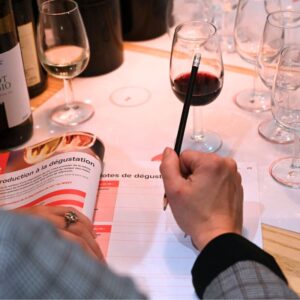
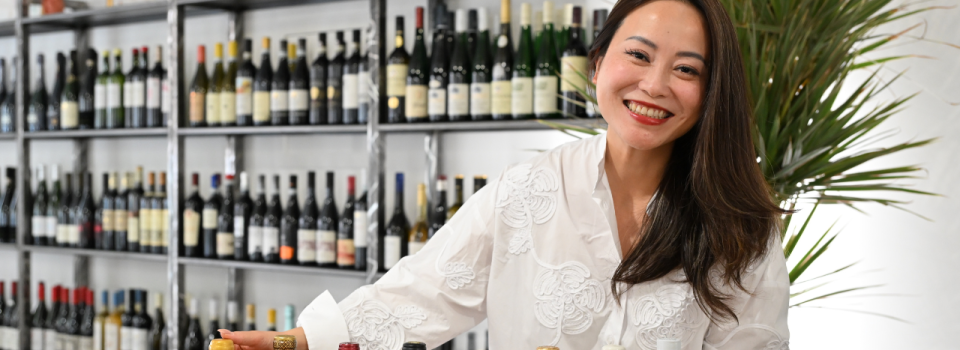
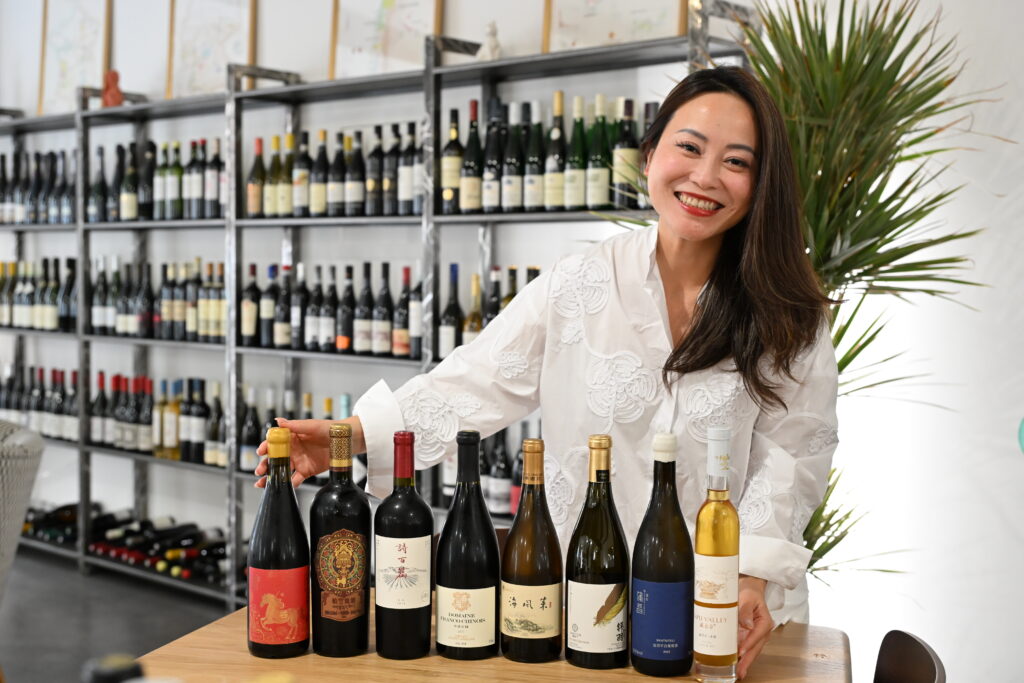
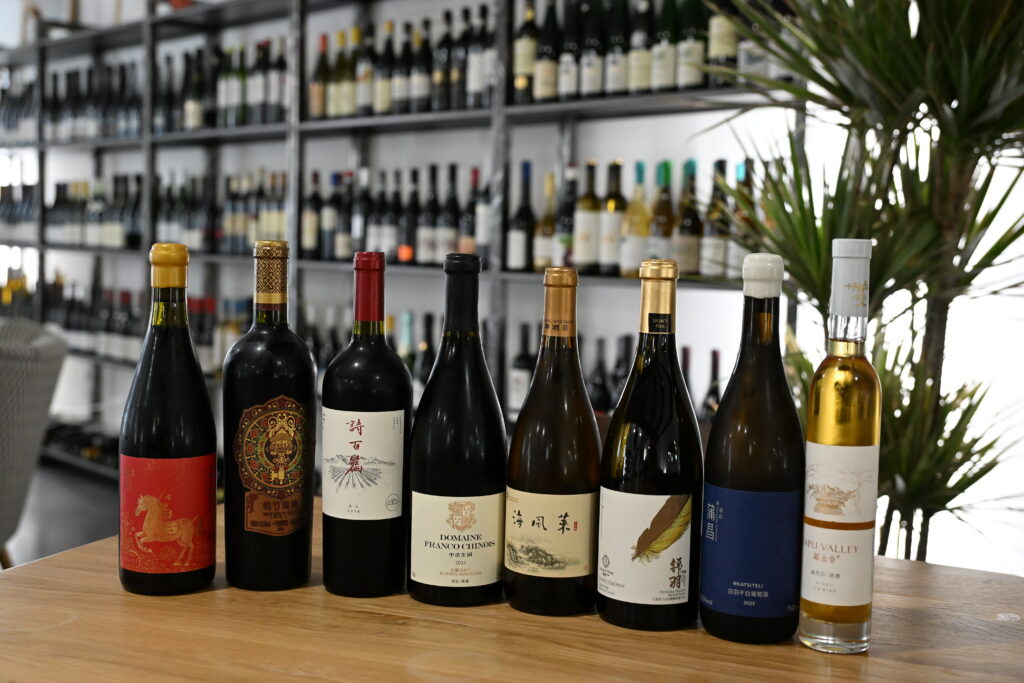
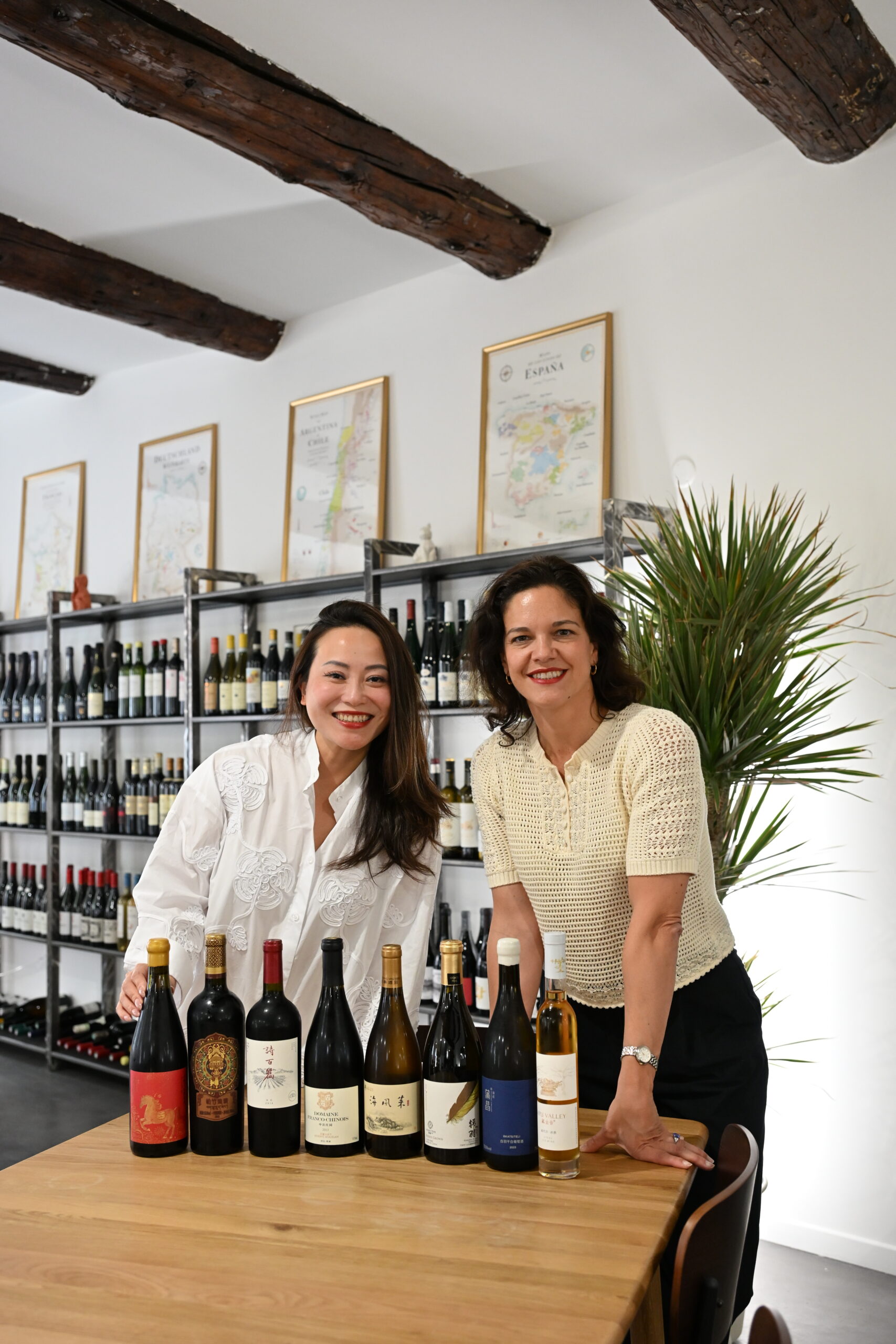
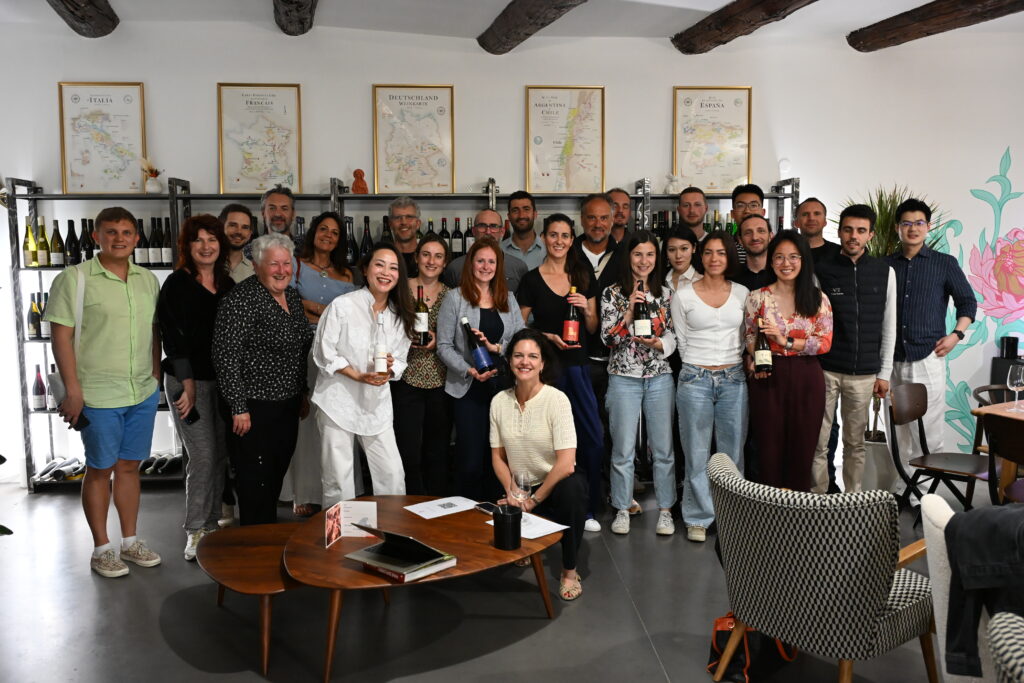
At Weeno, we recently offered our clients a unique tasting event. The evening, co-hosted by Ziyu Zhong, founder and managing director of Viniscool in Shanghai, provided a valuable opportunity to better understand the dynamics currently shaping Chinese wine.
Shandong: maritime influence and the historical structuring of the vineyard
Shandong is one of the historic centres of modern Chinese viticulture. Located on the country’s eastern seaboard, the region benefits from a temperate maritime-influenced climate, characterised by hot, humid summers and relatively moderate winters. This configuration limits the risk of severe winter frost, unlike many inland continental regions, but it also creates significant disease pressure, especially from fungal diseases.
International grape varieties dominate, particularly Cabernet Sauvignon and Merlot, producing generally approachable wines with fruity profiles and moderate structure. At the same time, some producers are exploring less conventional varieties. Longting Vineyard illustrates this trend with the production of a dry Petit Manseng, showing a clear willingness to adapt and diversify. Other major regional players include Changyu Pioneer Wine Company and Château Huadong-Parry, both of which have played a structuring role in the development of the sector.
Hebei: continental conditions and the transfer of expertise
The province of Hebei, surrounding Beijing, is marked by a strongly continental climate, with severe winters and hot summers. Winter temperatures require a highly specific viticultural practice: burying the vines to protect them from frost. This is a major technical constraint that directly affects production costs and labour organisation.
Hebei is also distinguished by a strong presence of projects born from international cooperation. In this respect, Domaine Franco-Chinois is an emblematic example of the transfer of viticultural and oenological expertise. Marselan, a French crossing of Cabernet Sauvignon and Grenache, has found favourable conditions there and is gradually establishing itself as a relevant alternative to the more classic Bordeaux grape varieties. Other better-known producers such as Great Wall also contribute to the region’s qualitative structuring.
Ningxia: the emergence of a leading quality pole
The autonomous region of Ningxia, and more precisely the eastern foothills of the Helan Mountains, is now widely considered the qualitative heart of the Chinese vineyard. The climate is arid continental, with low rainfall, high sunshine levels and marked diurnal temperature variation. Altitude, generally between 1,000 and 1,200 metres, encourages slow and balanced grape ripening.
Irrigation, supplied by the Yellow River, is essential in this desert context. As in other regions of northern China, vines must be buried in winter to survive extreme cold. Despite these constraints, Ningxia produces some of the country’s most recognised wines, particularly from Cabernet Sauvignon, Merlot and Marselan. Chardonnay is also gaining ground.
Producers such as Legacy Peak, Silver Heights, Helan Qingxue and Changyu Moser XV illustrate the degree of maturity the region has reached. Ningxia is also gaining increasing international recognition, with regular distinctions in specialised competitions.
Yunnan: high-altitude viticulture and distinctive profiles
Yunnan, especially the Shangri-La area, represents one of the most singular parts of the Chinese vineyard. Vineyards here are planted at very high altitudes, often between 2,000 and 3,000 metres. These conditions create intense solar radiation and large day-night temperature differences, both of which favour slow ripening and acid retention.
The wines produced there stand out for their concentration and relative freshness, despite high levels of ripeness. Cabernet Sauvignon and Syrah are widely planted. Ao Yun, developed by the LVMH group, is the region’s emblematic reference, with a high-end approach strongly oriented toward terroir expression.
At the same time, smaller and more confidential projects such as Lapu Valley are exploring atypical styles, notably through the production of ice wine from Vidal, demonstrating the diversity of current experimentation.
Xinjiang: expansion potential and qualitative transition
Xinjiang is one of China’s largest wine regions. Its extremely dry continental climate, characterised by very hot summers and cold winters, requires systematic irrigation and adapted viticultural practices. Historically oriented toward volume production, the region is gradually moving toward higher quality standards.
International grape varieties are widely planted there, alongside Beichun, a local red grape, while less conventional varieties such as Rkatsiteli have also found a place. The development of organic farming practices, especially at Puchang Vineyard, reflects an evolution toward more environmentally conscious production models. These wines were the standout favourites in Vanessa Guébels’ tasting, founder and director of Weeno:
“These wines have a genuine identity. They are fine, complex and elegant. You can feel the know-how and a unique notion of terroir.”
Producers such as Tiansai Vineyards are also helping reposition Xinjiang on the quality segment.
Tibet: extreme viticulture and the emergence of a new frontier
More recently, Tibet has emerged as a new frontier of Chinese viticulture. Vineyards are planted at altitudes often above 3,000 metres, under extreme climatic conditions combining strong solar radiation, low rainfall and significant temperature variation.
These conditions strongly limit yields but favour high grape concentration. Viticulture remains marginal there for now, but it is attracting growing interest, particularly for its potential to produce niche wines with strong identity. Emerging projects such as Pazhu, often supported by outside investment, are seeking to structure this still embryonic production.
Toward the gradual affirmation of Chinese wine
An analysis of these regions reveals a profound transformation of the Chinese wine landscape. The diversity of terroirs, combined with significant investment and the integration of international expertise, is now allowing the emergence of wines that are increasingly high in quality and more clearly differentiated.
While the domestic market remains the primary outlet, international recognition is progressing, supported by stronger performances in competitions and greater visibility on export markets. China is no longer positioning itself only as a consumer country, but as a credible producer capable of offering an original reading of wine on a global scale.
In this context, educational and tasting initiatives such as the one led jointly by Viniscool and Weeno play an essential role: they help structure understanding of these terroirs and support the evolution of how Chinese wines are perceived.
For those who want to go further, this topic clearly shows the value of structured wine education which we offer at Weeno: learning to read not only the wines, but also the markets, the regions and the factors that influence style. This is precisely what allows people to move from simple opinion to a more solid, nuanced and professional understanding of wine.