
The festive season is one of the rare moments when we truly take the time to think about a meal as a whole. Carefully crafted menus, exceptional products, traditional dishes or more daring creations — everything comes together to turn the table into a moment of sharing and enjoyment. In this context, food and drink pairings play a central role. When chosen thoughtfully, they enhance dishes, balance flavours and bring real coherence to the meal.
Yet the same mistakes return year after year. One single wine served from the first course to dessert, overly powerful pairings that overwhelm the food, or a focus solely on savoury dishes while desserts are overlooked. The result is often the same: sometimes prestigious drinks, but poorly matched, and a tasting experience that loses its finesse.
At Weeno, we advocate a different approach to festive pairings. Neither elitist nor approximate. Accessible yet considered pairings, built on tasting, an understanding of styles and flavour balance. The goal is not to multiply rules, but to provide clear reference points — to help people choose more confidently, dare to vary, and above all enjoy the moment at the table.
In this article, we share our favourite festive pairings, designed to accompany the key moments of end-of-year meals, from the first glass to dessert, with one guiding principle: understanding why a pairing works, so it can then be made your own.
1. Why festive pairings deserve special attention
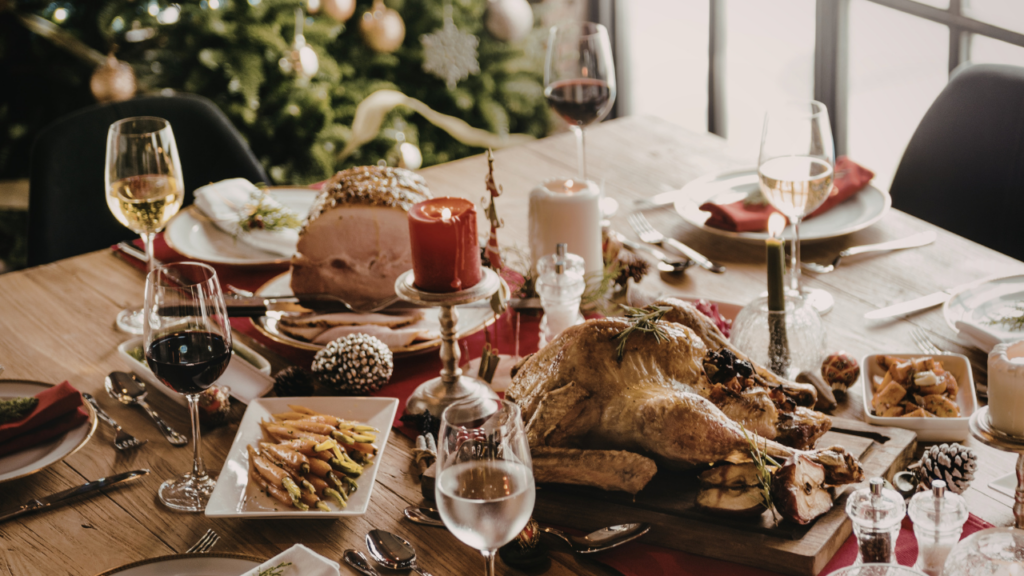
Festive meals differ from everyday dining by their complexity. At Christmas and during major celebrations, menus often unfold over several courses, sometimes very different from one another: seafood, smoked fish, poultry, rich sauces, aged cheeses, chocolate-based or fruit-driven desserts. This diversity of textures, intensities and flavours makes food and drink pairings more delicate — but also far more interesting to build.
This is precisely why Christmas pairings cannot be approached as a simple “one-size-fits-all” drink choice. A beverage that works well as an aperitif will not necessarily suit a main course or a dessert. Conversely, certain drinks — thanks to their balance, structure or freshness — integrate far more naturally into a complete festive menu.
To understand why, it is essential to look at the key taste components that shape successful festive pairings.
Acidity plays a central role in gastronomic pairings. It brings freshness, lightens rich or fatty textures and prepares the palate for what follows. It is particularly valuable with starters, iodine-driven products and richer dishes.
Alcohol, on the other hand, adds warmth and structure, but can quickly overpower a dish if not well controlled. In a long meal, overly alcoholic drinks fatigue the palate and disrupt overall balance.
Sugar, essential when pairing with desserts, becomes problematic when poorly calibrated: too little and the drink feels austere; too much and it overwhelms the flavours.
Finally, umami — widely present in festive dishes such as aged cheeses, roasted poultry, mushrooms, broths and fermented products — calls for drinks that can resonate with it rather than clash against it.
It is the interaction between these elements that explains why some drinks perform better than others in festive pairings. A balanced, readable and well-chosen beverage can accompany several courses without ever dominating, while a choice that is too powerful or too distinctive can quickly unbalance the entire meal.
Thinking about festive pairings, therefore, is not about seeking performance or originality at all costs. It is about understanding the underlying flavour balances, in order to build pairings that are coherent, enjoyable and adapted to both the length and richness of the meal.
2. Key principles for successful festive pairings
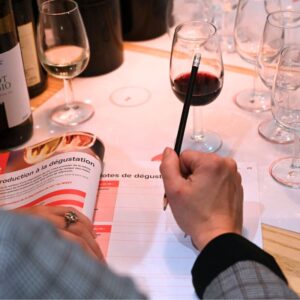
In our Wine & Spirit Education Trust (WSET) courses, food and drink pairings are never approached as a simple list of “good combinations”. They are built on a sensory reading method, based on the analysis of flavour balance, and then put into practice through comparative tasting exercises.
The objective is straightforward: to understand why a pairing works (or fails), so it can be adapted to any context — including festive meals.
2.1 Balance of intensity
The first fundamental principle taught in WSET courses is the balance of intensity.
Successful festive pairings follow a simple logic:
- the drink must not overpower the dish,
- but it must not disappear in front of it either.
In practical training sessions, tastings often clearly reveal these imbalances. A wine that is too powerful next to a delicate dish will accentuate alcohol, heat and bitterness. Conversely, a drink that is too light next to a rich dish becomes flat or barely perceptible on the palate.
During the festive season, when dishes are often richer and more elaborate, this principle becomes essential. The goal is not to choose “the best wine” or “the most prestigious bottle”, but the drink that is best suited to the actual intensity of the dish.
2.2 Texture and mouthfeel
Beyond aromas, WSET training places strong emphasis on tactile sensations in the mouth. Texture and structure are often more decisive than aromatic profile alone.
Several elements come into play:
- the fat and creaminess of dishes,
- the effervescence, tannins, sweetness or structure of the drink,
- and the impact of the fundamental tastes: umami, sweetness, acidity and saltiness.
WSET exercises clearly demonstrate how certain tastes alter the perception of wine:
- sweetness increases the perception of acidity and bitterness, while reducing body and perceived sweetness,
- saltiness softens tannins and acidity, and enhances the perception of fruit,
- umami can make overly tannic or alcoholic wines feel harsher,
- the acidity of a dish can either balance or destabilise a drink, depending on its level.
This is why, in festive pairings, understanding these interactions is often more useful than relying on a “classic” pairing learned by heart. It helps avoid common pitfalls, particularly with rich dishes, cheeses or desserts.
2.3 Temperature and timing during the meal
The final key principle — and one that is often underestimated — is serving temperature and the moment in the meal.
In WSET training, comparative tastings clearly show how temperature affects the perception of:
- alcohol,
- acidity,
- sweetness,
- aromas and flavours,
- and texture.
At the aperitif, freshness, liveliness and drinkability are usually prioritised.
With the main course, the drink must support structure and length without saturating the palate.
With cheese, managing umami, salt and fat becomes central.
At dessert, the rule is clear and consistently reinforced in training: the drink must be at least as sweet as the dish, otherwise it will taste hard or unbalanced.
These principles, applied through WSET tasting exercises, make it possible to build coherent pairings across an entire festive meal, without palate fatigue or breaks in balance.
3. Our favourite festive pairings – savoury
Savoury dishes served during festive meals often combine a high level of aromatic and textural richness: iodine-driven products, smoked flavours, sauces, delicate or fattier textures. To succeed with Christmas gastronomic pairings, the goal is not to showcase the power of a drink, but to preserve the balance of the dish while accompanying it with precision.
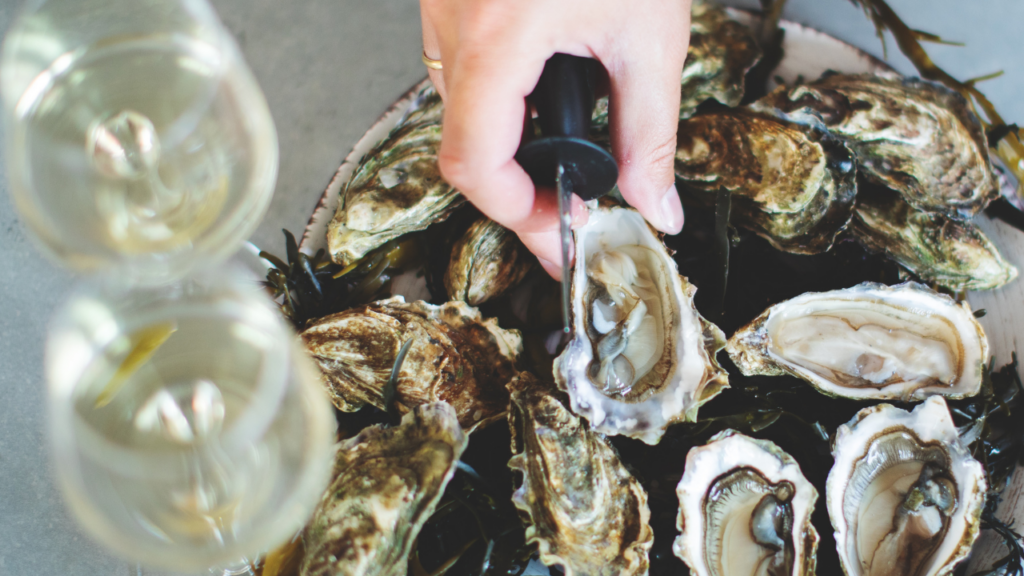
3.1 Seafood & oysters
Seafood and oysters are among the great classics of festive tables. Their flavour profile is built around three key elements: iodine, salinity and freshness.
The most suitable drink styles are those that offer:
- clean, well-defined acidity,
- low tannin extraction,
- a clear and readable aromatic profile.
Why these pairings work:
Iodine and salinity call for drinks that cleanse the palate without masking the finesse of the product. Well-integrated acidity extends the sensation of freshness, while overly marked structure (high alcohol, pronounced oak influence) risks hardening the overall impression.
Within a festive pairing strategy, these drinks allow the meal to begin with elegance, without saturating the palate from the very first bites.
3.2 Smoked fish & cold starters
Smoked salmon, smoked trout, fish terrines or rich cold starters combine fat, salt and smoky aromas, making them particularly sensitive to imbalance.
Here, the reading is twofold:
- aromatic, to engage with smoky notes without overpowering them,
- textural, to manage fat and salinity.
Drinks that are too alcoholic or too heavily oaked accentuate saltiness and make the pairing feel heavy. By contrast, a drink with good freshness and controlled structure envelops the fat, extends the aromas and brings precision.
In Christmas pairings, these starters often represent a turning point in the meal: the pairing must be present enough to support the dish, while remaining light to preserve the rest of the menu.
3.3 Poultry, white meats and traditional festive dishes
Capons, turkey, poularde, creamy accompaniments or mushroom-based garnishes: these traditional dishes are built around roundness, texture, and sometimes umami.
Here, the role of the drink is to provide:
- sufficient structure to accompany the dish,
- supple texture that respects the delicacy of the meat,
- and length on the palate without excessive power.
The most common mistake in festive pairings is choosing a drink that is too powerful “to make an impression”. Excessive intensity overwhelms the finesse of white meats and quickly fatigues the palate.
The most successful pairings prioritise roundness, balance and clarity, allowing the main course to be enjoyed fully without creating a rupture before cheese or dessert.
4. Our favourite festive pairings – cheese
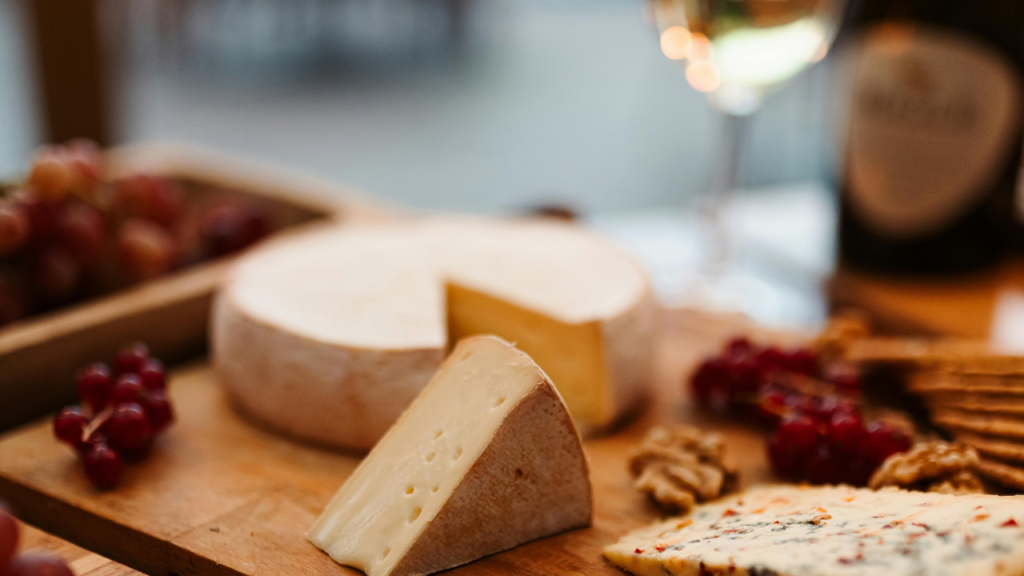
The cheese course is often one of the most delicate moments of a festive meal when it comes to pairings. By habit, many people still automatically associate cheese with red wine. Yet in most cases, this pairing is far from ideal — and it explains many end-of-meal disappointments.
Why “cheese = red wine” rarely works
The main difficulty lies in the tannins found in red wine. When paired with cheese, and especially with aged cheeses, several interactions occur:
- the fat in the cheese clashes with tannic structure,
- umami intensifies the perception of bitterness and alcohol.
As a result, even a high-quality red wine can feel dry, aggressive or unbalanced next to cheese. This mismatch is even more pronounced during the festive season, when cheeses are often more mature and more powerful.
More coherent alternatives by cheese family
To succeed with festive cheese pairings, it is far more effective to think in terms of families and textures, rather than wine colour.
- Soft cheeses with bloomy rind
Their creamy texture and gentle flavours call for supple, low-tannin drinks that can accompany without dominating. - Uncooked pressed cheeses
Their balance of fat, saltiness and lactic notes pairs better with drinks offering freshness and roundness rather than marked structure. - Cooked pressed cheeses
Firmer and often more intense, they require pairings capable of supporting aromatic length without hardening the palate. - Blue cheeses
Their aromatic power and salinity demand drinks that can create contrast or balance, taking sugar level and intensity into account.
The flavour logic, explained simply
A successful cheese pairing rests on three simple principles:
1. Limit tannins, which frequently clash with salt and fat.
2. Work with texture, seeking suppleness, freshness or roundness depending on the cheese.
3. Respect intensity, to avoid pairings that feel aggressive or tiring at the end of the meal.
During the festive season, cheese is not an isolated moment: it is part of a long meal. Clear, balanced and coherent pairings allow the pleasure to continue smoothly, without creating a break before dessert.
5. Our favourite festive pairings – desserts
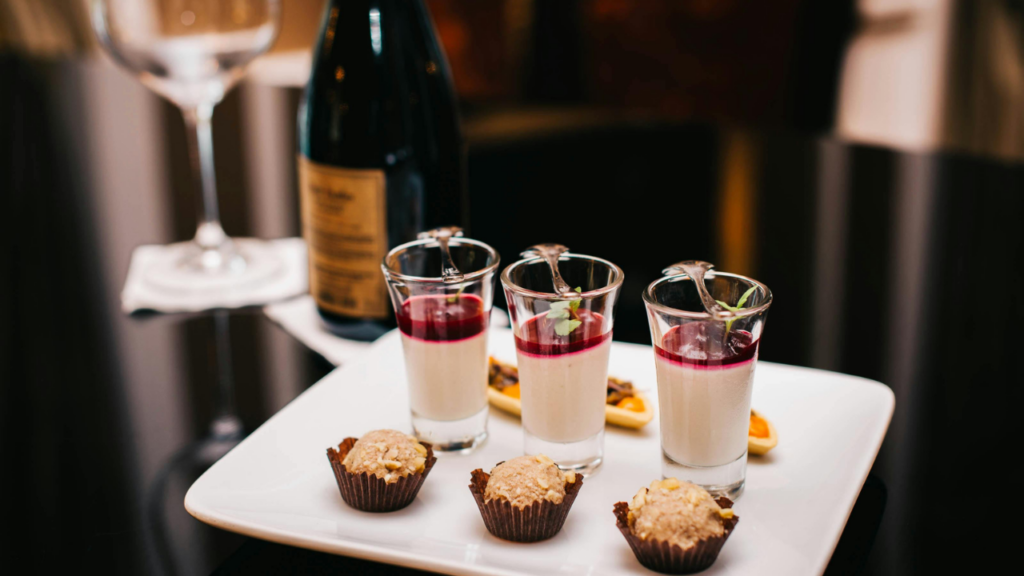
Desserts are often the most fragile part of festive pairings. After a rich meal, the palate becomes more sensitive, and balance issues are immediately noticeable. Yet when thoughtfully considered, dessert–drink pairings can become one of the most elegant moments of the meal.
The key lies in a precise reading of the dessert’s level of sweetness, acidity, and aromatic intensity.
5.1 Chocolate
Chocolate is one of the most common desserts on festive tables — and also one of the most complex to pair.
The first variable to consider is cocoa intensity. The higher the cocoa percentage, the more the dessert develops:
- bitterness,
- aromatic power,
- a dense texture.
A drink that is too light alongside an intense chocolate dessert will disappear instantly. Conversely, a drink that is too alcoholic or too dry accentuates cocoa bitterness and throws the pairing out of balance.
Common mistakes:
- serving a low-sugar drink with a chocolate dessert,
- choosing a drink that is too acidic or too tannic,
- seeking a harsh contrast rather than an aromatic dialogue.
The most successful pairings work either through aromatic continuity (cocoa, roasted notes, spices) or through an enveloping texture capable of matching the density of chocolate.
5.2 Fruit-based desserts
Fruit logs, tarts, citrus desserts, red or exotic fruits: these desserts rely on a subtle balance between sweetness and acidity.
Here, freshness becomes a major asset. A drink that is too heavy overwhelms the fruit’s vibrancy, while insufficient sweetness makes the pairing feel austere and unbalanced.
The flavour logic is clear:
- the drink must be at least as sweet as the dessert,
- acidity should support the fruit, not dominate it,
- lightness allows the meal to end without palate fatigue.
These pairings work particularly well when they extend the sensation of freshness and leave the palate clean, ready to finish on an elegant note.
5.3 Light or low-sugar desserts
Often overlooked, low-sugar desserts (light pastries, dairy-based desserts, poached fruits, intentionally restrained preparations) nonetheless offer outstanding pairing opportunities.
Because sweetness is moderate, these desserts allow for:
- more precise pairings,
- clearer aromatic expression,
- a sense of finesse rarely achieved with very sweet desserts.
The mistake here would be to overcompensate with an overly sweet or overly powerful drink. On the contrary, these desserts call for delicate, balanced and airy pairings, capable of accompanying without overwhelming.
During the festive season, they often provide an ideal conclusion for those seeking a lighter end to the meal, while maintaining genuine gastronomic coherence.
6. What if we dared to move beyond classic pairings?
For a long time, food and drink pairings have been approached almost exclusively through the lens of wine. While wine undeniably holds a central place in gastronomy, it is neither the only option nor always the most relevant one — particularly during festive meals, where the diversity of dishes and flavours is at its peak.
In our training sessions and guided tastings, this reality becomes very clear: certain dishes achieve a far more accurate balance through alternative pairings, often offering greater sensory precision.
Why wine is not always the best answer
Wine has undeniable strengths, but also clear limitations:
- the presence of tannins, which can be difficult to manage alongside salt and umami,
- alcohol levels that may fatigue the palate over a long meal,
- the rigidity of certain styles when faced with complex textures or atypical dishes.
During festive meals — where iodine-driven starters, rich main courses, aged cheeses and varied desserts follow one another — these limitations become more apparent. This is precisely where opening up to other categories makes sense.
The value of alternative pairings
Alternative pairings are not meant to replace wine, but to expand the range of possibilities.
- Beer, thanks to its wide range of styles, offers unique tools: effervescence to lighten fat, controlled bitterness to provide structure, and malt character to engage with toasted or caramelised notes.
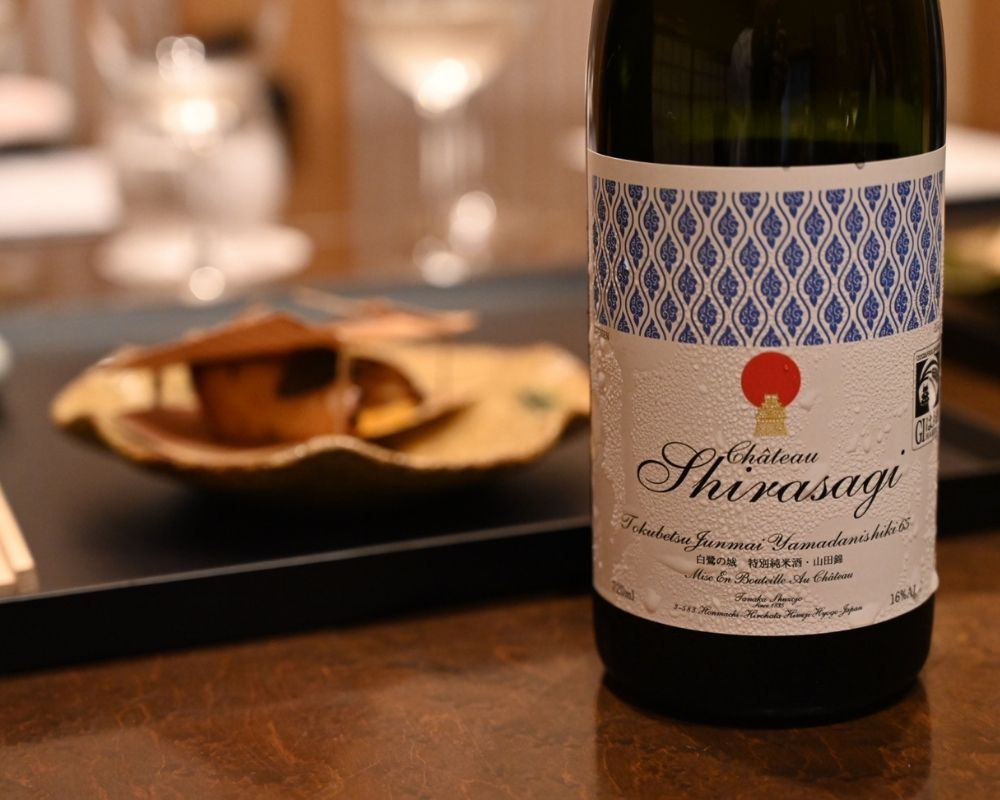
- Sake, with its low acidity, natural umami and silky texture, integrates remarkably well with rich dishes, cheeses and certain festive cuisines that are often challenging to pair with wine.
- Light or lower-alcohol spirits, served in small quantities or as highly targeted pairings, allow for precise aromatic readings — particularly at the end of the meal or alongside specific desserts.
These categories bring a gustatory flexibility that wine can sometimes lack.
A cultural and sensory opening
Moving beyond classic pairings also means embracing a more cultural and sensory approach to the table. Each drink tells a story: raw materials, fermentation, distillation, ageing, traditional uses.
This openness enriches the festive dining experience. It turns the pairing into a moment of discovery, exchange and shared curiosity — far beyond a purely technical notion of a “successful match”.
From a pedagogical perspective, it is often this step sideways that helps people better understand the mechanisms of pairing… and then return to wine with a more precise and nuanced perspective.
7. Learning to create your own pairings: the Weeno approach
Successful festive pairings do not rely on fixed recipes. This is precisely the observation that guides the educational approach of Weeno: providing clear reference points to help people understand, experiment and build their own pairings — whatever the context.
Guided tasting as a starting point
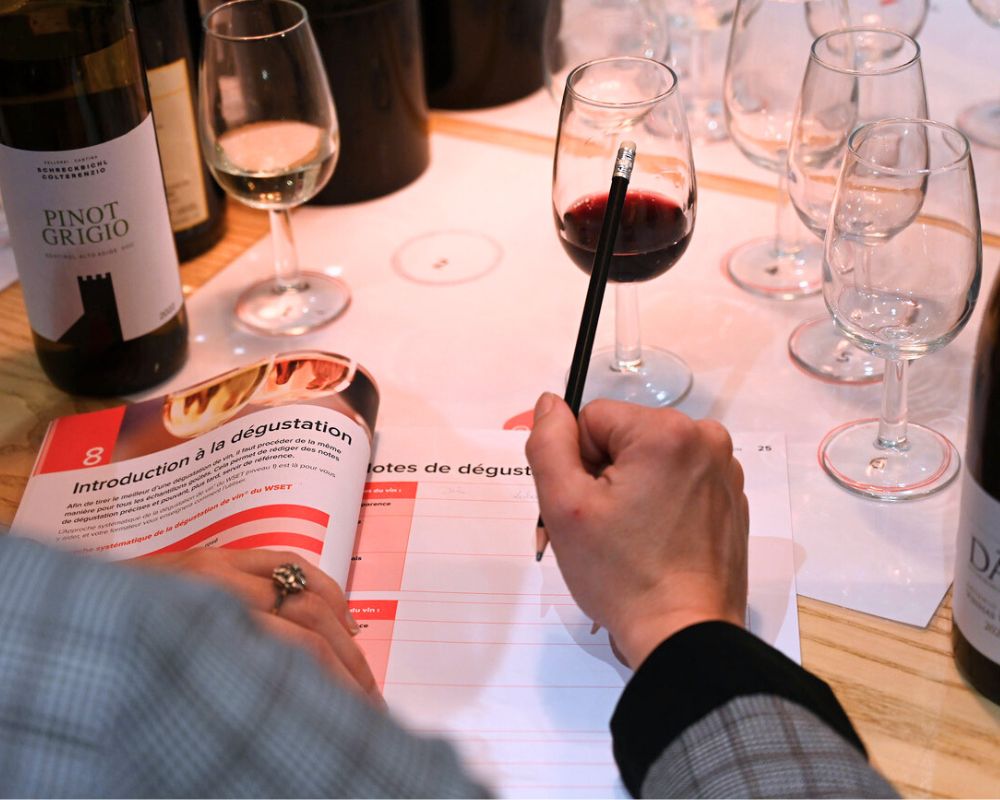
At Weeno, food and drink pairing always begins with tasting. Observing aromas, analysing structure, identifying acidity, sweetness, alcohol and texture: this sensory reading forms the foundation. It allows participants to move beyond pure intuition and towards a conscious understanding of balance.
Understanding styles to pair more effectively
Rather than reasoning by appellations or rigid categories, the approach focuses on styles: fresh, structured, aromatic, rounded, powerful or delicate. This framework, widely used in training, makes it easier to adapt to varied menus — and is particularly relevant for festive meals.
Pairings as a pedagogical tool
Food and drink pairings are used as a learning tool. Tasting a successful pairing, followed by an unbalanced one, makes it possible to measure concretely the impact of salt, sugar, umami, acidity or alcohol. These exercises make the mechanisms immediately clear and memorable.
Formats to learn and practise
This pedagogy is delivered through different formats:
- workshops to acquire essential fundamentals and reflexes,
- masterclasses to explore specific themes in greater depth,
- structured courses for those who wish to consolidate their skills over the long term.
The objective remains the same: empowerment. Enabling everyone to create pairings that are accurate, elegant and suited to their own tastes — during the festive season and throughout the year.
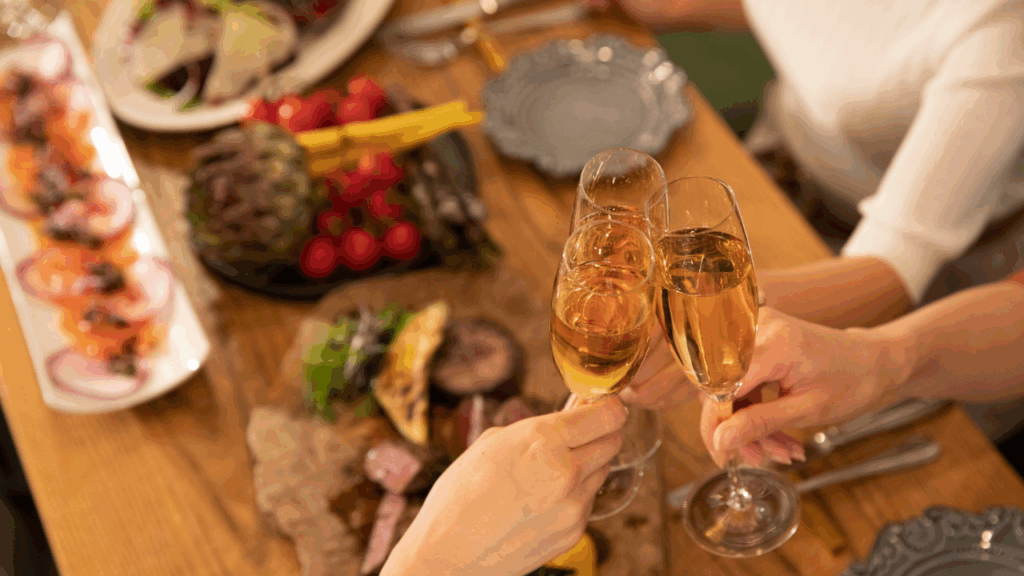
Festive pairings are neither about performance nor technical demonstration.
They rely all on a few essential principles: understanding the balance of intensity, reading textures, anticipating the impact of sugar, acidity, alcohol and umami, and adapting drinks to the different moments of the meal. These simple reference points already help avoid most imbalances and bring greater precision to pairing choices.
The festive season offers an ideal opportunity to dare to experiment. Varying styles, testing less expected pairings, comparing sensations around the table — these moments of trial and exchange are an integral part of the pleasure. A successful pairing does not have to be spectacular; it needs to be readable, coherent and enjoyable throughout the meal.
More than a technical exercise, food and drink pairing is above all a moment of sharing. It invites us to slow down, taste together and exchange perceptions. It is within this open and curious approach that pairings truly come into their own — during the festive season, and far beyond.