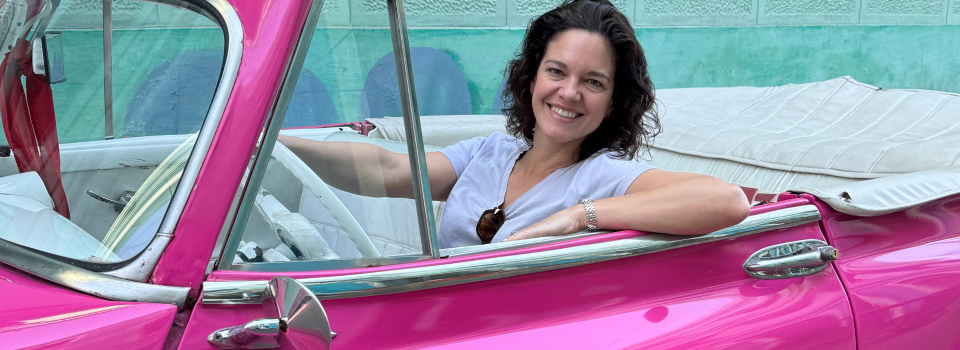
Cuba is an island where traditions are not confined to museums — they are lived every day, in tobacco fields, rum ageing cellars and cigar workshops. During this trip, I travelled across the western part of the island, from the Viñales Valley to Havana, to better understand what shapes the distinctive character of Cuban rum and some of the world’s most renowned cigars.
Blending history, craftsmanship and tasting experiences, this article offers a firsthand perspective on an immersion into two pillars of Cuban culture — rum and cigars — along with insights into their production, identity and the sensory experiences they inspire.
Cuba: A History Deeply Connected to Tobacco and Sugar Cane
Cuba’s history is closely intertwined with two major agricultural traditions: tobacco and sugar cane. Long before Spanish colonisation, indigenous populations were already cultivating tobacco, primarily for ritual and medicinal purposes. When the Spanish arrived, they quickly recognised the exceptional quality of Cuba’s terroir and began structuring tobacco production for wider distribution.
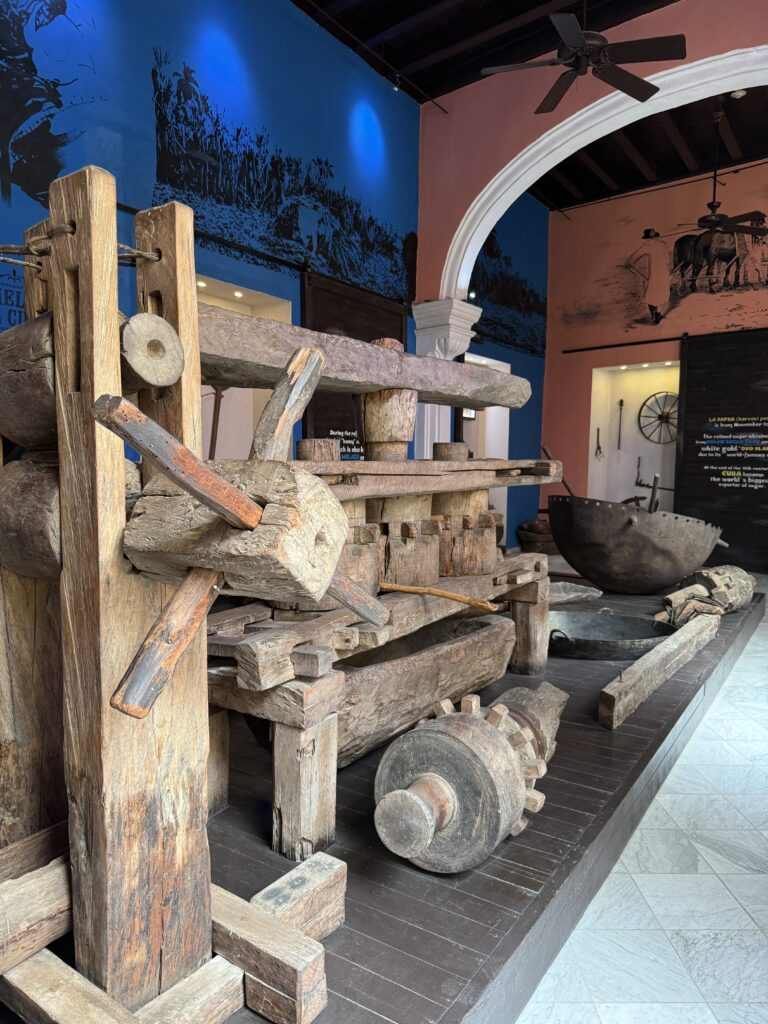
Sugar cane was introduced later and went on to shape the island’s economy profoundly. From its processing emerged rum — initially produced for local consumption, then progressively refined into a spirit that gained international recognition for its balance, smoothness and distinctive style.
Following the Cuban Revolution, the nationalisation of land and brands significantly reshaped the organisation of these industries. Yet traditional know-how did not disappear. Skills related to tobacco cultivation, cigar rolling and rum production have continued to be passed down through generations, remaining an essential part of Cuba’s cultural and economic identity.
Viñales: At the Heart of Cuban Tobacco Country
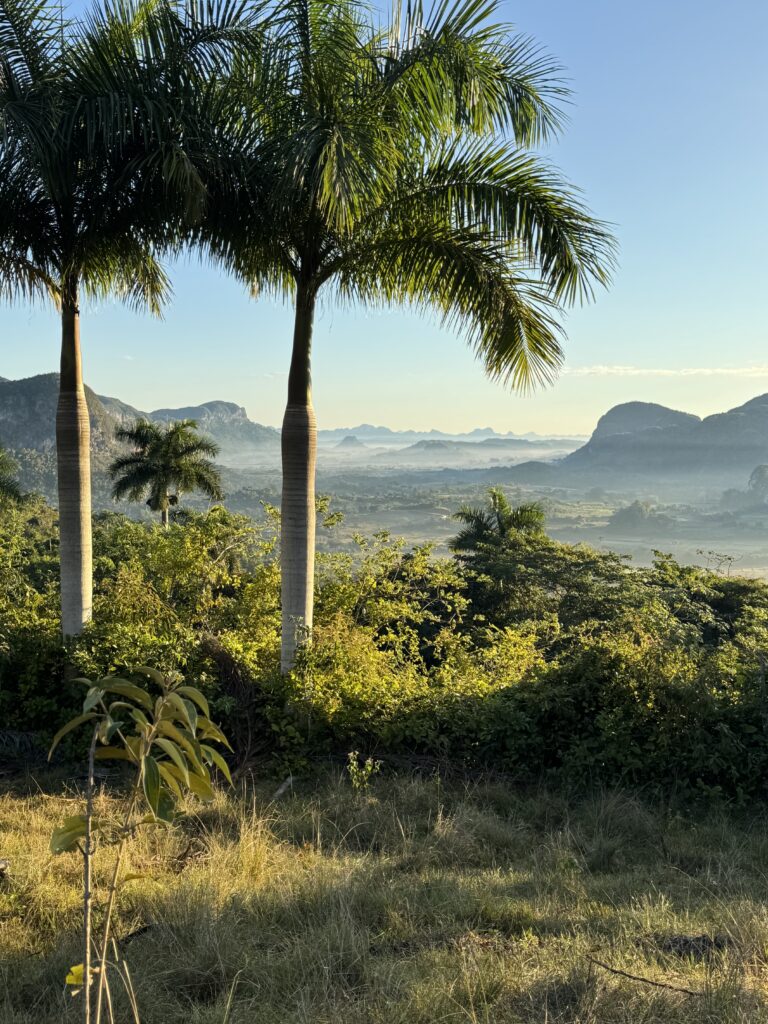
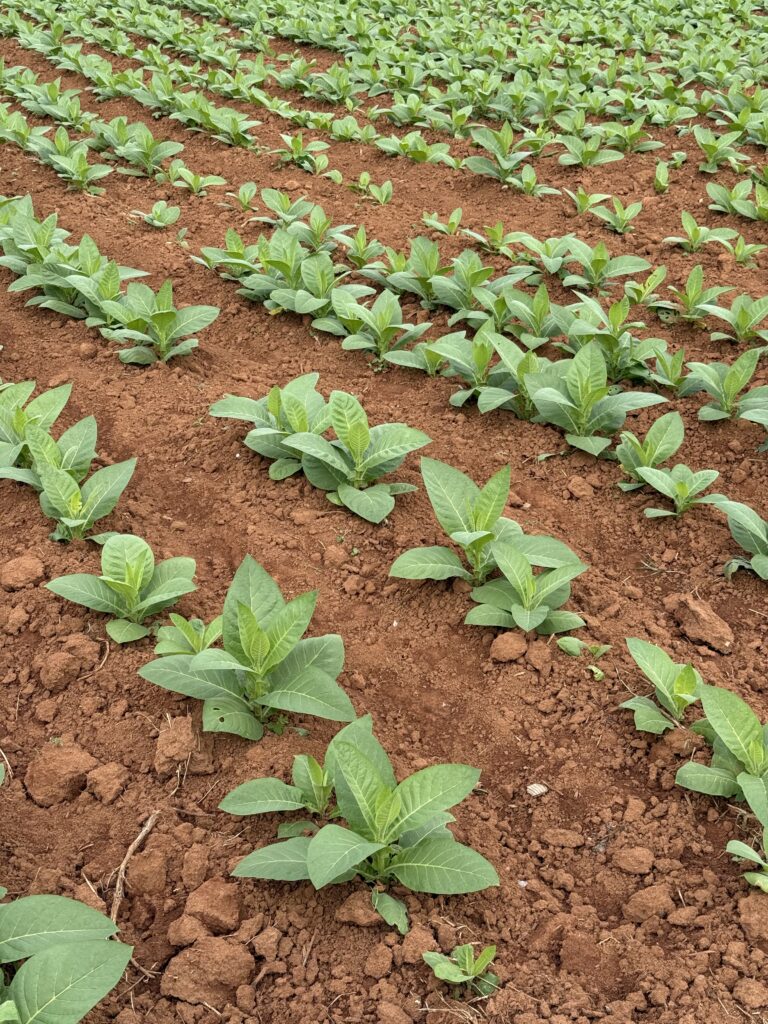
The Viñales Valley, a UNESCO World Heritage Site, is widely regarded as one of the world’s finest terroirs for tobacco cultivation. Its climate, soil composition and consistent humidity create ideal growing conditions, allowing tobacco leaves to develop remarkable aromatic complexity.
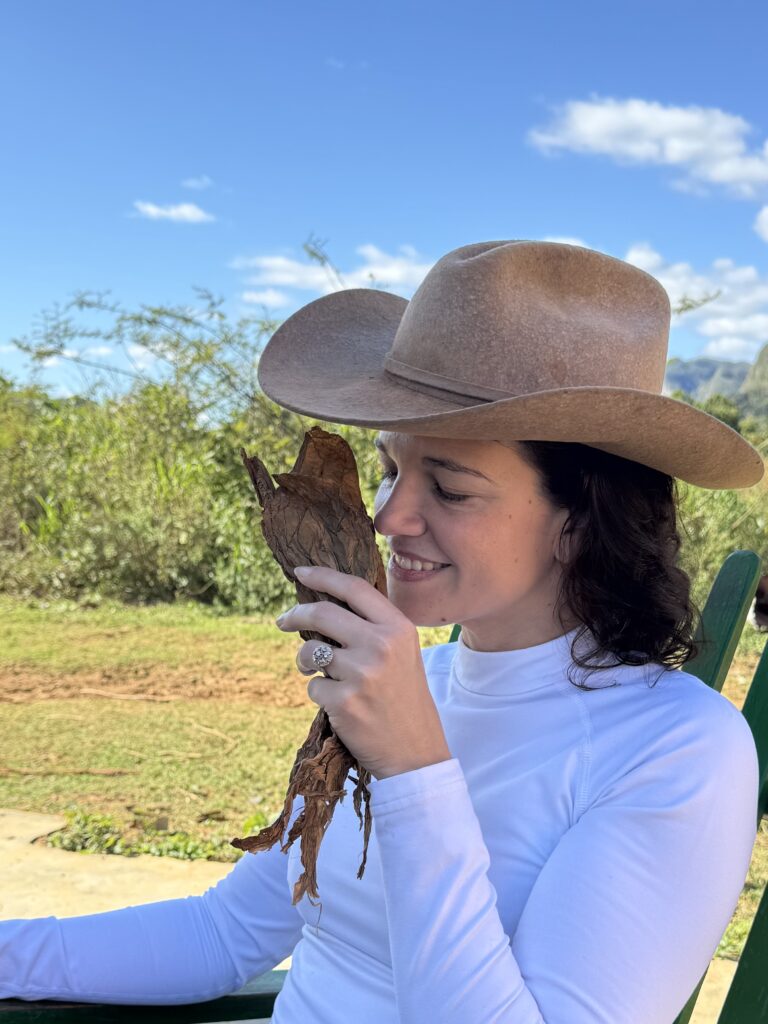
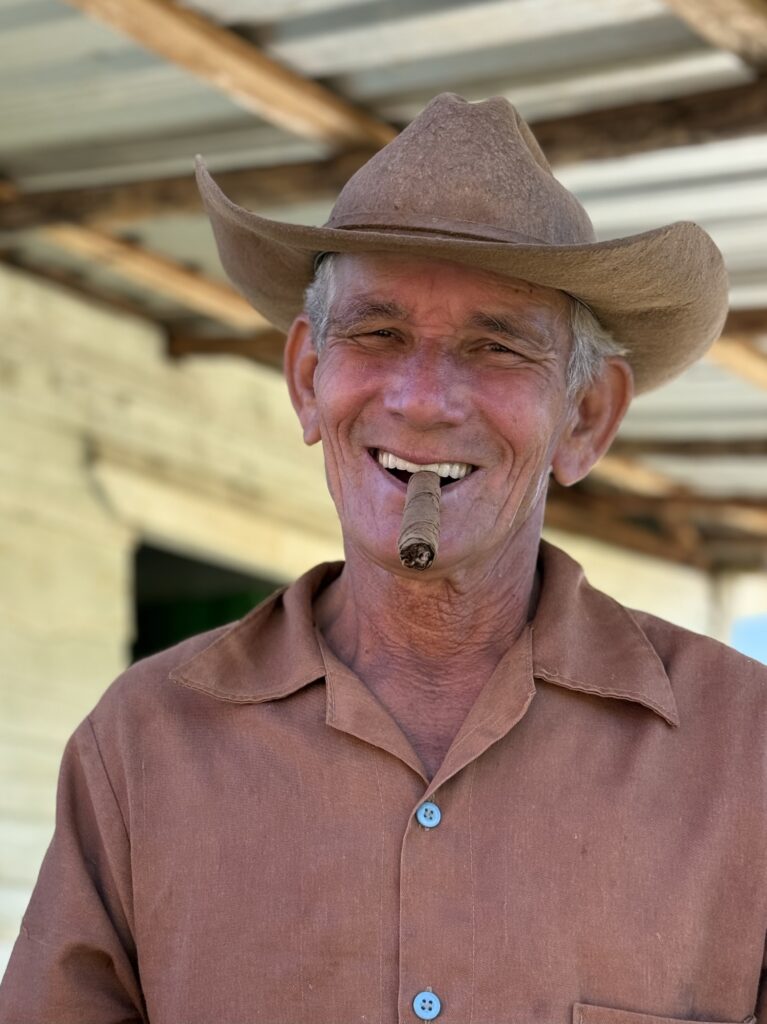
While exploring the region on horseback, I encountered the meticulous work of the vegueros — Cuba’s traditional tobacco farmers. From planting to harvesting, then curing and fermentation, each stage is carried out by hand. Nothing is rushed. Time plays a fundamental role in shaping the final quality of the leaves. Even on a single plant, leaves exposed differently to sunlight develop distinct aromatic profiles, contributing to the depth and complexity for which Cuban cigars are known.
Tasting a cigar rolled locally offers immediate insight into the character of Viñales tobacco: vegetal notes, subtle hints of honey, occasional toasted nuances and a rounded, gentle mouthfeel.
During one such stop, where rum and cigars were being enjoyed in a family setting, I discovered a local tradition: adding a touch of honey to the tip of the cigar to soften the smoke and enhance its aromatic smoothness.

Havana: Tradition, Heritage and Rum Culture
In Havana, tobacco and rum take on another dimension. The Cuban capital is home to major cigar factories where experienced torcedores — master cigar rollers — continue to work today. Cigar rolling here is a precise, codified craft, passed down with discipline from one generation to the next.
During my visit, I toured a factory where cigars for iconic brands such as Cohiba, Montecristo and Romeo y Julieta are produced. Each brand offers several cigar lines, and the exact blending recipes remain closely guarded secrets.
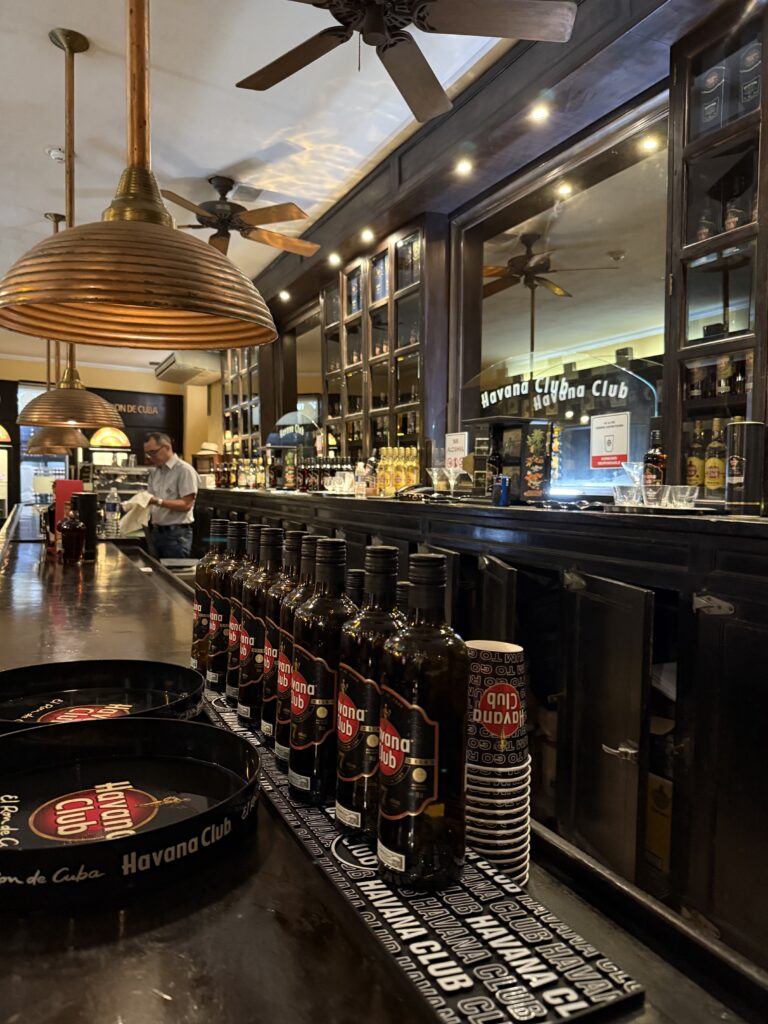
Havana is also the historical heart of Cuban rum culture. Whether in renowned cocktail bars or more discreet local venues, rum is enjoyed with simplicity and respect. Ernest Hemingway famously frequented El Floridita, where it remains customary to taste one of the many variations of the Daiquiri crafted by skilled bartenders. Rum is present both in everyday life and in moments of celebration.
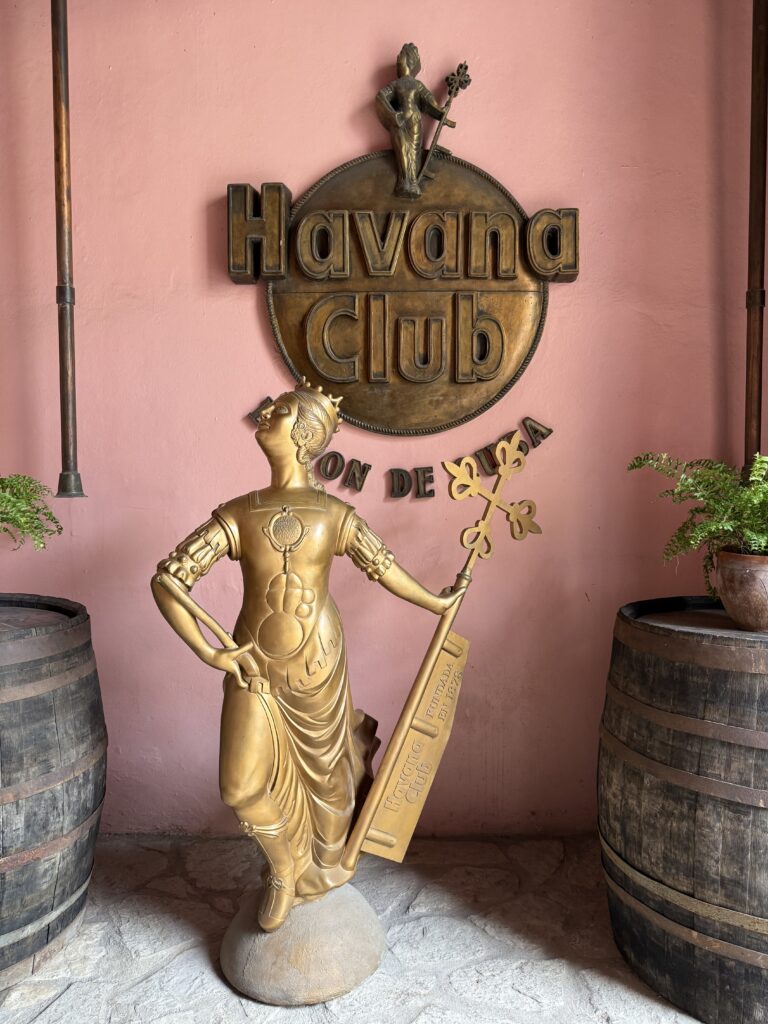
The Havana Club brand is also highly visible throughout the city, with its rums commonly found on restaurant tables, in bars and in Cuban homes alike.
Cuban Rums: Production Methods and Style
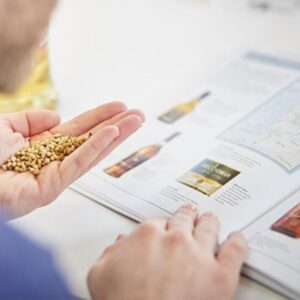
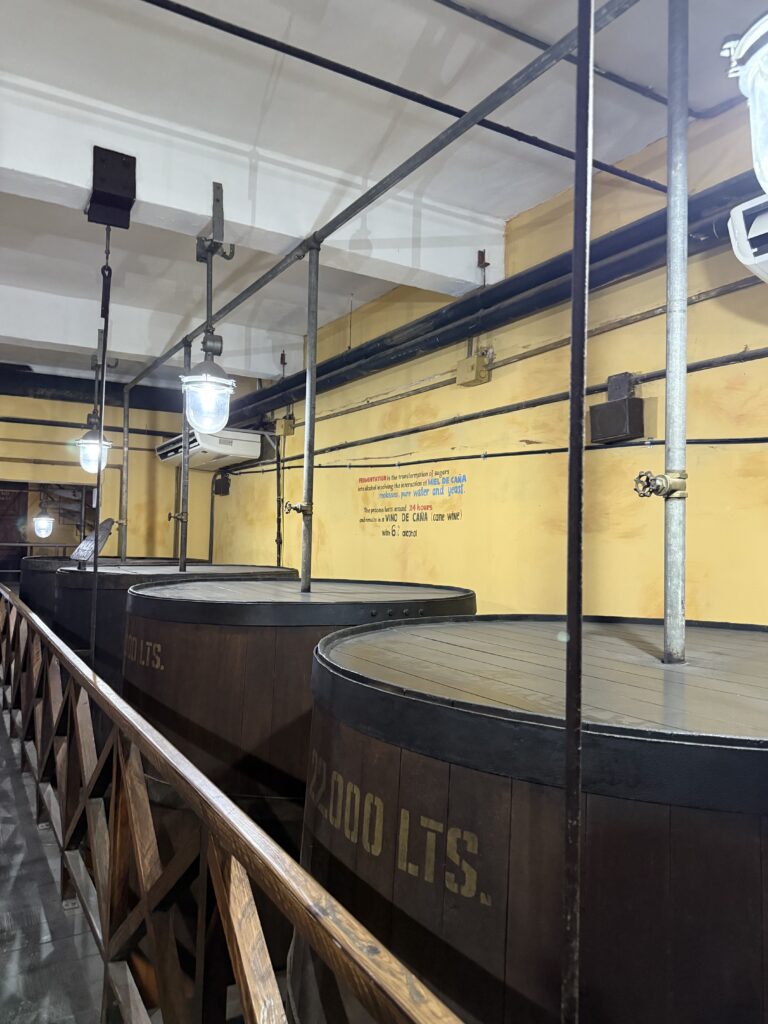
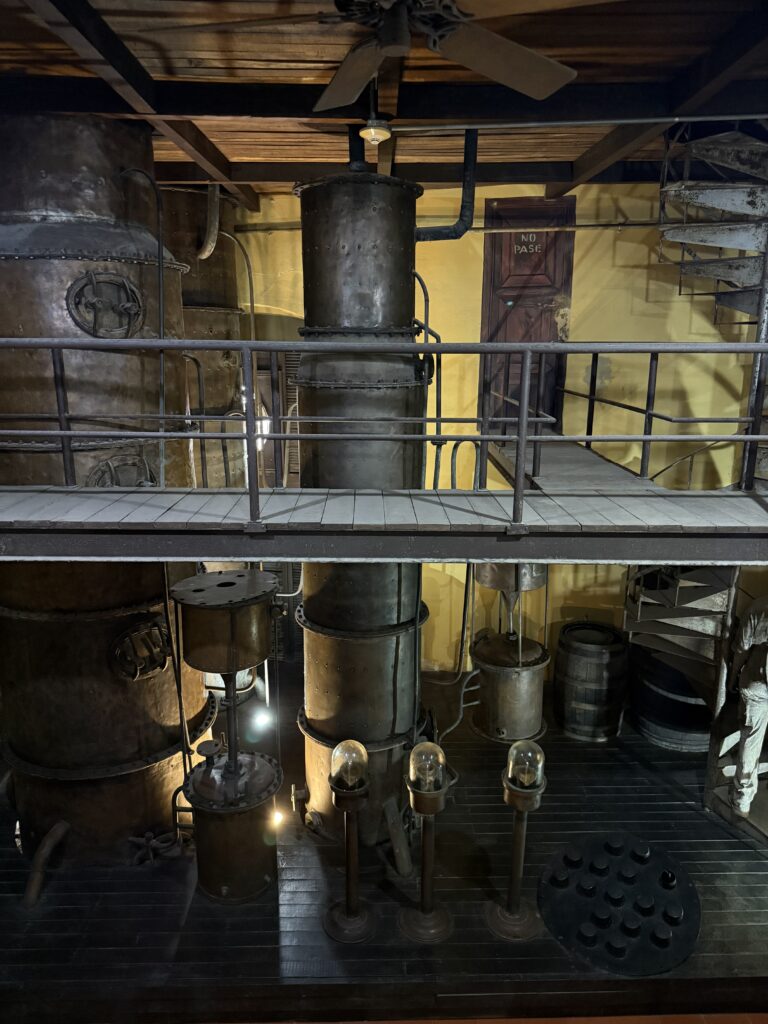
Cuban rum is primarily produced from sugar cane molasses. Fermentation is followed by column distillation, a technique that generally produces lighter distillates, contributing to the elegant and refined character often associated with Cuban rum.
Ageing typically takes place in oak barrels under a tropical climate, which accelerates interaction between the wood and the spirit. The final blending is overseen by the maestro ronero, a key figure responsible for maintaining consistency, balance and house style.
Cuban rum is generally characterised by:
- a relatively light texture,
- notable elegance and smoothness,
- balanced aromatic profiles including vanilla, cocoa, dried fruit and gentle spice notes.
Among the best-known Cuban rum producers are Havana Club, Santiago de Cuba, Cubay and Caney, each offering its own interpretation of the Cuban rum style while remaining rooted in a shared production tradition.
Great Cuban Cigars and Their Aromatic Profiles
Cuban cigars are renowned worldwide for the exceptional quality of their tobacco leaves and their fully artisanal production process. Each cigar is composed of three main elements — the filler (tripa), the binder (capote) and the wrapper (capa) — all of which directly influence combustion, structure and aromatic expression.
Among the most iconic Cuban cigar brands:
- Cohiba – complex and elegant cigars with herbal, creamy nuances
- Montecristo – balanced profiles featuring cocoa, coffee and woody notes
- Romeo y Julieta – finesse, floral aromas and lighter wood tones
- Partagás – bold character with earthy and spicy notes
- Bolívar – powerful cigars known for intensity and deep aromatic richness
The cigar format (vitola) also plays a significant role in the tasting experience, affecting draw, burn rate, aromatic concentration and overall perception.
Rum and Cigar Pairings: Principles and Practical Advice
Pairing rum with cigars is primarily about balance rather than sheer intensity. The goal is not to seek maximum power, but to create aromatic complementarity that allows both elements to express themselves fully.
Some key principles include:
- A full-bodied cigar generally pairs better with an aged, structured rum.
- A lighter cigar tends to work well with lighter or amber-style rums.
- Woody, spicy or roasted notes should complement rather than dominate one another.
Rum and cigar specialist Cédric Dubois also emphasises the importance of pacing: taking time between sips and draws, allowing the rum to open up in the glass and avoiding rushing the experience. Often, the best pairing is simply the one where each product retains its identity without overpowering the other.
Interestingly, lighter cigars can also pair elegantly with certain wines. Sweet white wines — such as a Riesling Trockenbeerenauslese — can highlight honeyed notes, roundness and softness in the cigar, with residual sugar helping to balance the aromatic intensity of the smoke.
Cuba: A Lesson in Time, Craftsmanship and Heritage
This journey through Cuba offered a deeper understanding of why Cuban rum and cigars hold such a distinctive place in the world of tasting. Beyond being products, they reflect a history, a terroir and, above all, a particular relationship with time — where patience, transmission of knowledge and respect for tradition remain central.
This immersion highlights the importance of craftsmanship, origin and cultural context — essential pillars not only for appreciating rum and cigars, but also for understanding wine, spirits and tasting more broadly. Recognising how production methods, environment and human expertise shape flavour ultimately enriches the entire tasting experience.
Cuba today continues to face significant economic and political challenges, shaped both by internal governance issues and long-standing international tensions. Despite these difficulties, traditional know-how in rum and cigar production persists, sustained by generations committed to preserving their cultural heritage.
For those wishing to deepen their understanding of rum, spirits and pairing principles, structured education can be invaluable. Our WSET Spirits Level 1 and Level 2 courses — available in Paris, Marseille and online — provide a solid framework to explore production methods, styles and tasting techniques in a professional and accessible way.