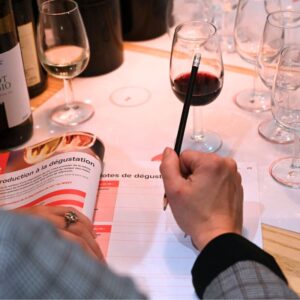

Behind every WSET course are very different professional challenges
Training in wine, spirits, beer or sake is no longer just for sommeliers. Today, the need for structured drinks education also extends to sales, marketing and communications teams, hospitality professionals, retailers, producers, journalists and wine tourism specialists.
Depending on the company, the objectives can be very different: developing professional expertise, advising customers more confidently, improving sales arguments, creating a shared vocabulary across teams, preparing for international business or simply bringing colleagues together around a common learning experience.
This is where WSET training becomes particularly valuable. Its strength lies in a structured approach, a shared professional language and a systematic tasting method that can turn product knowledge into a practical workplace skill. WSET is the most sought-after professional qualification in the world and one of the most valuable credentials to have on a CV in the wine and spirits industry.
From Moët Hennessy to Sofitel, from Vinexposium to retail teams, the professional environments could hardly be more different. Yet the underlying need is often the same: understanding drinks and their making processes better in order to present, sell, explain and recommend them more effectively.
In this article, we look at the wide range of companies and professionals who have trusted Weeno with their training — and the different business needs behind those courses.
1. Why do companies choose WSET training?
Choosing WSET training for a company is about far more than increasing knowledge of wine or spirits. It gives teams a methodology, a common vocabulary and a set of practical reference points that can be applied directly in a professional environment.
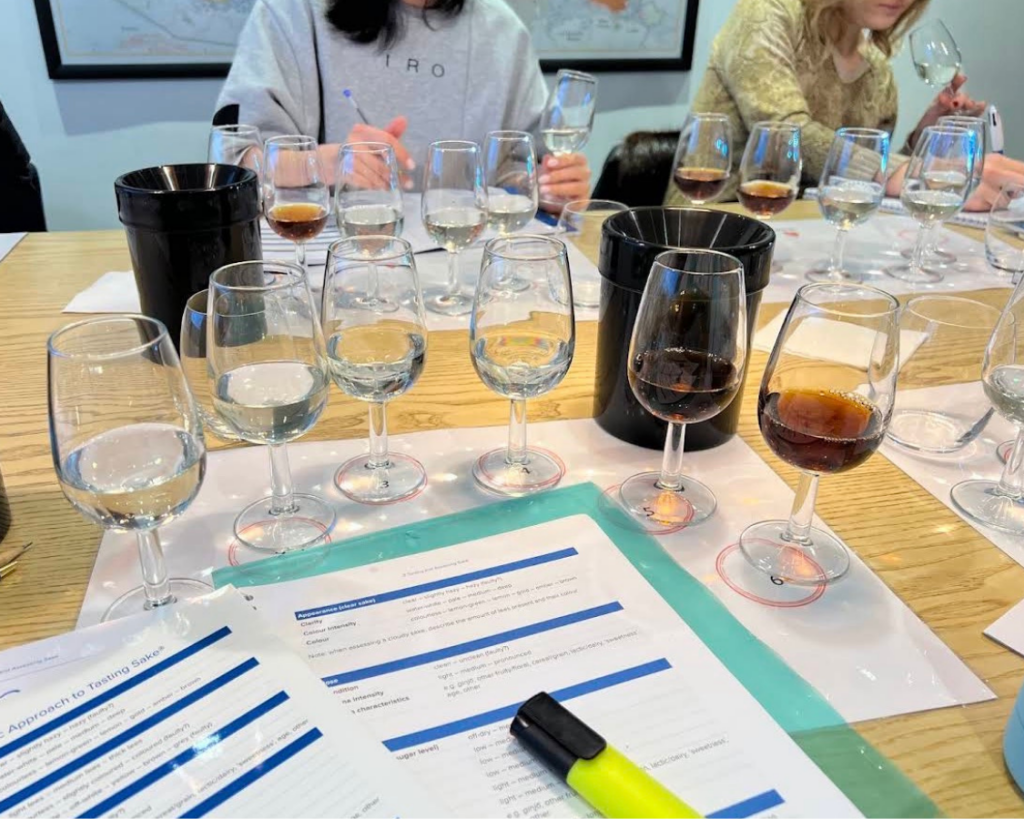
One of the key strengths of WSET is its structured educational framework. Participants learn how to taste systematically, identify the factors that influence the style and quality of a drink, and use precise terminology to communicate their conclusions. This shared framework is particularly useful when several departments work with the same products.
The benefits can be very practical depending on the role: presenting a product more effectively, advising customers, building a stronger sales argument, understanding a portfolio, communicating with greater accuracy or gaining credibility when working with international professionals.
Training can also become a genuine team-building tool. Bringing colleagues together in the same course helps create a shared knowledge base, encourages discussion across departments and strengthens internal communication — while maintaining a demanding educational standard.
At Weeno, this approach covers several drinks categories: wine, spirits, Japanese sake and beer. The objective remains the same: turning product knowledge into a clear, structured and useful professional skill.
2. Large companies: developing professional skills and bringing teams together
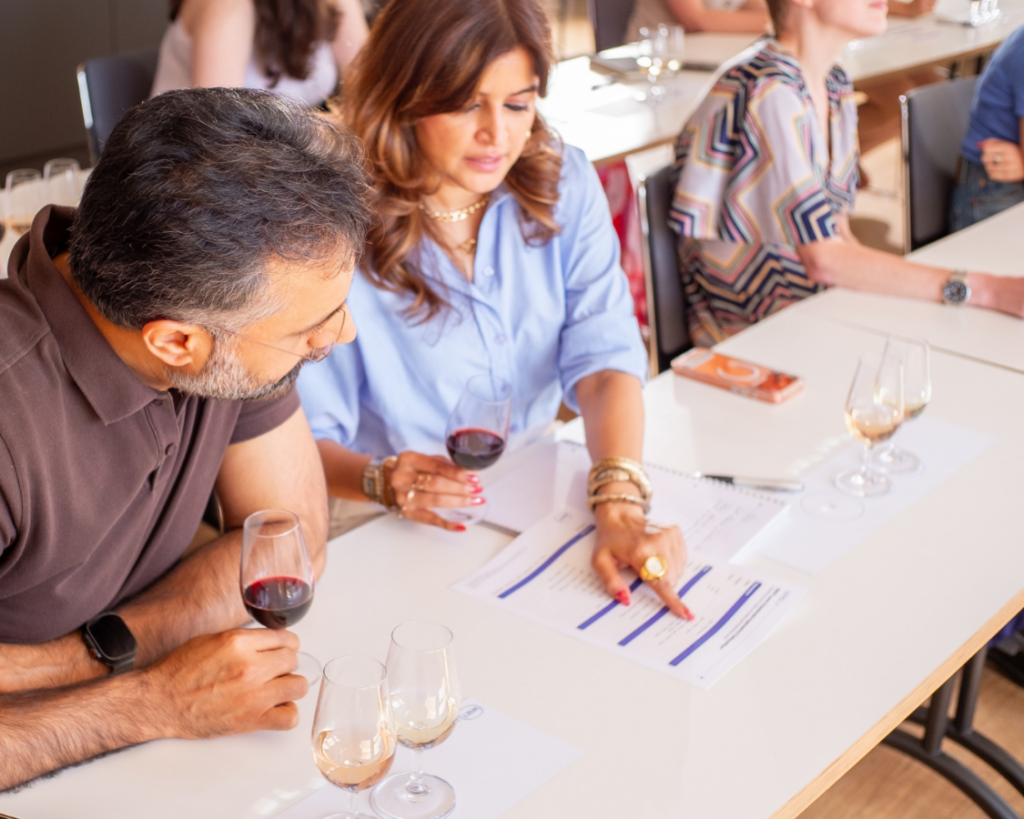
In large organisations, employees often already have a strong level of product knowledge. The purpose of corporate WSET training is therefore not necessarily to start from the beginning, but to structure existing knowledge, align different levels within a team and give employees practical tools they can use in their day-to-day roles.
This is the approach we have taken when training Brown-Forman teams in spirits, Foodex teams in Japanese sake and Moët Hennessy teams in wine and spirits.
For these professionals, structured training can reinforce the fundamentals while taking analytical tasting skills further. It also helps connect a product’s technical characteristics with its style, quality and market positioning.
The impact is highly practical: teams can present a range more effectively, build more precise sales arguments, engage with expert or international clients with greater confidence and use a shared vocabulary across different departments.
Training several employees together also creates a valuable collective experience. A course can become both a professional development tool and a strong team-building moment, while remaining directly connected to business objectives.
What they took away from the training
Delali, HR Manager at Brown-Forman: “In 2025, we trained around twenty employees, mainly sales professionals, through WSET Level 2 and Level 3 Spirits courses. The feedback was extremely positive: employees felt valued, strengthened their product knowledge and developed more effective sales arguments. In 2026, the group decided to extend the training to all employees in France, with more than 60 people due to be trained. Each session helps build team cohesion, recognises and rewards our employees, and delivers practical professional skills that can be applied immediately within the business.”
3. Hotels and restaurants: turning product knowledge into customer experience
In hospitality and restaurants, knowledge of wine, spirits or sake should never remain purely theoretical. It needs to translate directly into better recommendations, smoother service and an improved customer experience.
We have worked with Sofitel teams on wine and spirits training for highly operational roles, including chefs de rang, waiting staff, bartenders and professionals working with mixology. The objective is not only to understand the products themselves, but also to present them accurately and confidently without relying on unnecessary jargon.
We have also trained Shangri-La and Accor Group teams in wine, spirits and sake, in environments where a highly diverse customer base requires real adaptability.
In premium hospitality, expertise is not simply about recognising a grape variety or naming an appellation. Staff need to know how to adapt their language to the guest, make confident recommendations, sell more effectively without overplaying their expertise, and understand the spirits that form the foundation of modern mixology.
These skills become even more important when dealing with an international clientele, where clarity, accuracy and confidence are essential. To support this, we also offer training in English and adapt our teaching to candidates at all levels of language proficiency.
This is where WSET courses have a direct impact: they provide a shared framework, a systematic tasting method and the vocabulary required to turn product knowledge into a true service skill.
What they took away from the training
Laurent, Talent Director at Sofitel Marseille Vieux-Port: “Since 2023, we have no longer had sommeliers on our team, so we decided to train all of our chefs de rang in wine and spirits. Depending on how long they have been with the team, our waiting staff take WSET Level 1, 2 or 3 courses in wine, Japanese sake and spirits. They clearly feel more confident explaining wines to our guests and making recommendations. They also challenge each other on their respective knowledge, which creates a very positive sense of team cohesion. All of the training is funded through our OPCO, which is a real advantage.”
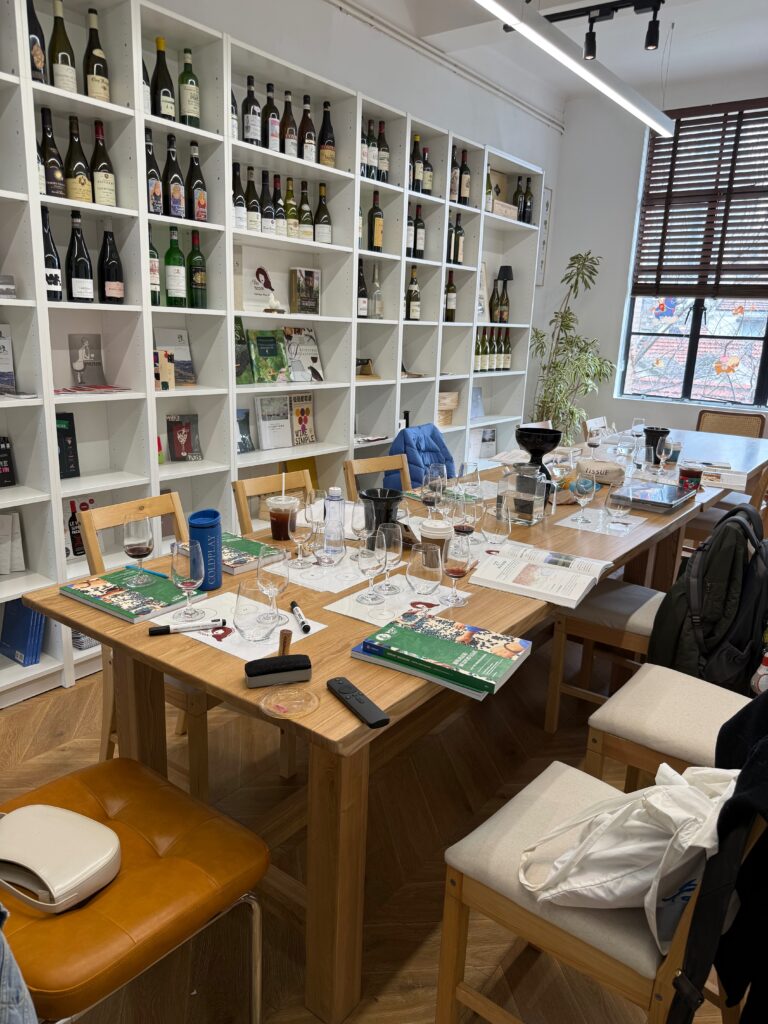
4. Wineries, producers and drinks companies: training the people who represent the brand
Producing a great wine or spirit is only part of the equation. The teams representing it also need to be able to explain its origin, style, production method and position in the market with confidence and precision.
We have supported teams at Domaines Ott, including sales professionals and wine tourism staff. Their role goes beyond simply presenting a cuvée: they also need to place the wine within its terroir, history, positioning and sensory profile.
We have also worked with Château de la Gaude and Château La Coste, two estates in the South of France where the visitor experience plays an important role. In this context, product knowledge becomes a genuine communication tool: it helps teams tell the story of the estate, give greater meaning to the tasting experience and enrich the wider wine tourism journey.
In the spirits sector, La Martiniquaise has also chosen our training to strengthen knowledge of major spirits categories and their production methods.
With Freixenet, the challenge is similarly linked to product knowledge and commercial expertise: understanding a category more deeply makes it easier to explain, position and promote it effectively.
This is exactly what WSET training can provide: a framework that helps teams connect category, terroir, production, market and tasting, turning technical knowledge into clear, credible and professional communication.
What they took away from the training
Vincent, Sommelier at Château de la Gaude: “I completed the WSET Level 2 Award in Wines with Weeno at the request of my management team. I found the course intensive and highly rewarding, and it was an excellent complement to my initial sommelier training. It allowed me to deepen my knowledge of international wines. In practical terms, when I welcome American, Argentinian or Chinese guests, I now feel much more confident discussing their wine regions and explaining how they differ from those in France. The guest feels understood, and for us, that translates into a genuine sales opportunity.”
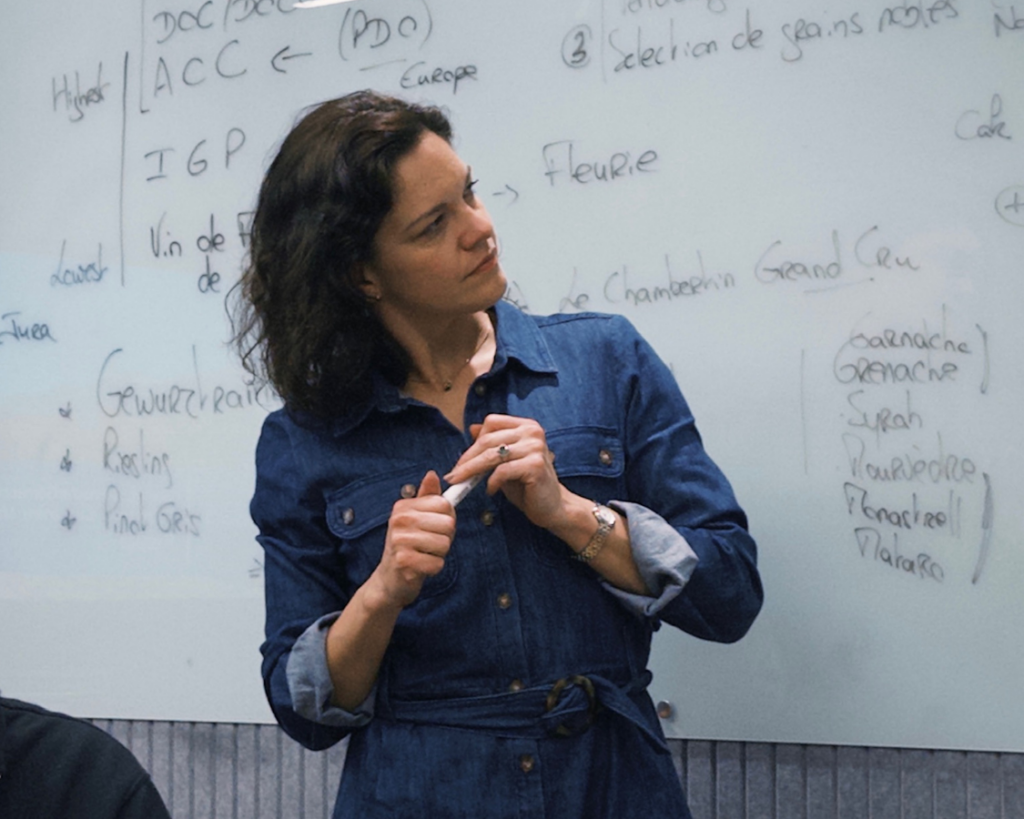
5. Trade shows and professional organisations: speaking the same language as the industry
You do not need to produce or sell wine directly to need a strong understanding of it.
The teams at Vinexposium, which organises major international wine and spirits trade events, work every day with producers, buyers, distributors, journalists and professionals from around the world. In this environment, having a shared technical foundation is a real advantage.
WSET training can help teams better understand the major categories of wine and spirits, production methods, styles and the vocabulary used throughout the industry. This common knowledge makes professional conversations more fluid and helps employees better understand the priorities and challenges of the people they work with.
For a professional organisation, product knowledge is therefore about far more than tasting. It helps teams understand the ecosystem in which they operate, communicate more accurately and interact more effectively with a wide range of industry professionals.
This is precisely the type of environment in which a structured methodology such as WSET becomes particularly useful.
What they took away from the training
Kevin, Vinexposium: “I wanted to gain more confidence and credibility in my conversations with wine producers. The WSET Level 2 Award in Wines clearly met my expectations. I developed precise knowledge of the world’s major wine regions and learned how to taste and assess wine quality objectively. It was a very rewarding experience.”
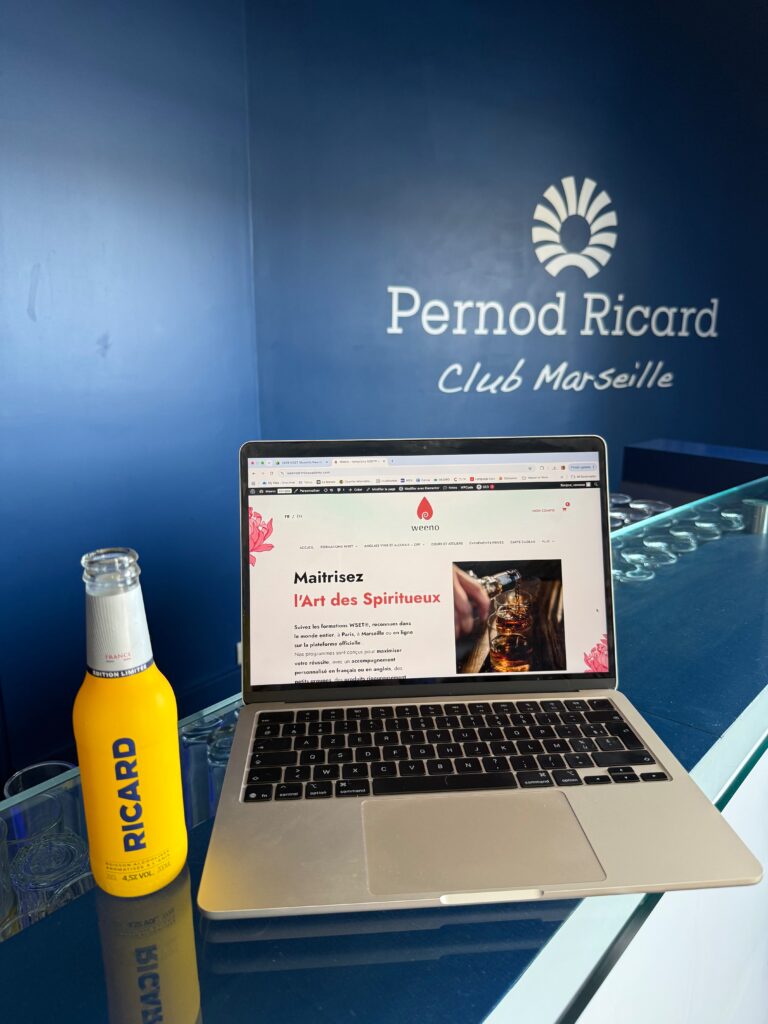
6. Retail: improving customer advice in the drinks aisle
In retail, product knowledge is never abstract. It matters at the exact moment a customer needs to choose between dozens of bottles and brands.
We have worked with Magasins U and Grand Frais to train drinks department managers in wine, beer and spirits. For these teams, the objective is highly practical: understanding the major categories, distinguishing between key styles, reading labels more effectively and answering customer questions with confidence.
Wine training for retail professionals can also help staff understand the positioning of a product: where it comes from, how it was made, its quality level, its style and the type of consumer or occasion it may suit. These reference points make recommendations easier and give employees greater confidence when helping customers choose a bottle.
For a drinks department manager, this expertise is particularly important because the market is constantly evolving. New categories, changing consumer expectations, the growth of spirits, craft beer and emerging wine regions all require professionals to keep their knowledge up to date while maintaining strong fundamentals.
Our WSET trainings provide precisely that structured foundation, helping retail professionals understand products more clearly so they can compare, present and recommend them more effectively.
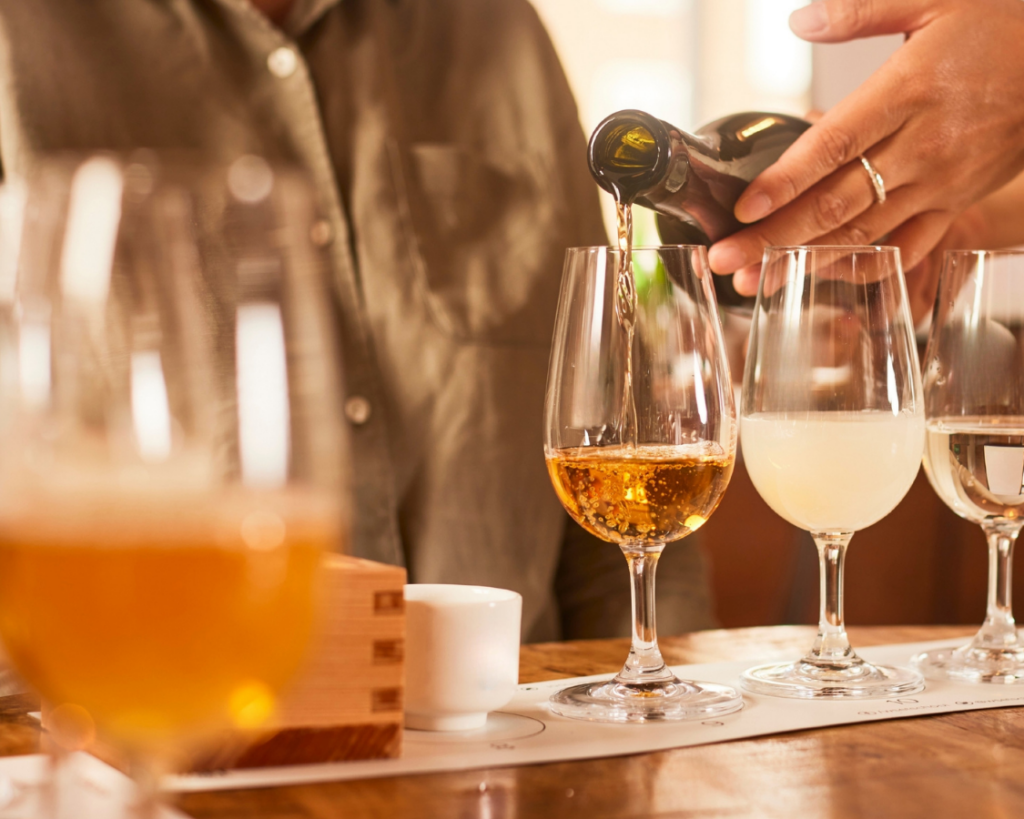
7. Trade bodies and tourism organisations: strengthening marketing, communications and sales teams
For trade bodies and tourism organisations, strong wine knowledge is essential to represent a region more effectively and communicate its identity with accuracy.
We have worked with teams from Vins de Provence and the Bandol Tourist Office, training professionals across marketing, communications, sales and tourism promotion.
In these roles, the objective is not necessarily to become a tasting expert. It is to build a sufficiently strong technical foundation to speak about wine with accuracy and confidence. Understanding key styles, production methods, terroir and the factors that shape a wine’s profile makes communication more precise and credible.
This becomes particularly valuable when speaking to industry professionals, journalists, visitors or international clients, all of whom may have very different expectations and levels of knowledge.
WSET training provides a shared framework that connects terroir, production and style in the glass.
Because a wine region cannot be communicated through landscapes, heritage and appellations alone. It must also be able to explain clearly what is in the glass — and why it tastes the way it does.
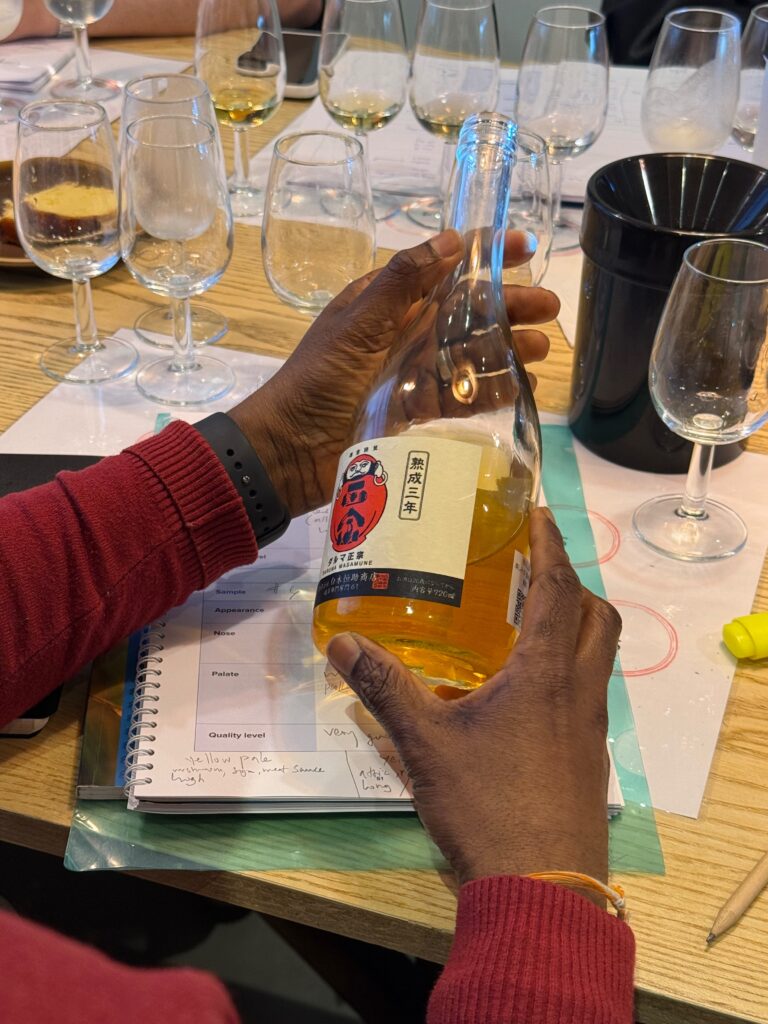
8. Journalists and communications professionals: greater accuracy when talking about wine
To communicate wine well, you first need to understand it well enough to simplify it without oversimplifying it.
This is a central challenge for journalists and communications professionals, who need to make technical topics accessible while preserving accuracy and nuance. We have supported teams from Figaro Vin, ToutMa, as well as journalists from France 3, in developing their wine knowledge.
Structured training helps professionals distinguish more clearly between facts, perceptions and interpretations. It also gives them the terminology needed to discuss wine accurately, understand key production methods and place a wine within its broader context: region, grape variety, climate, style and winemaking choices.
That technical understanding then improves the quality of communication. It can help journalists ask more relevant questions, avoid shortcuts and explain complex concepts in a way that remains accessible to the reader or viewer.
For communications professionals, this expertise also brings greater credibility when writing articles, conducting interviews, producing reports or creating content for both enthusiasts and industry audiences.
Our WSET training sessions provide exactly this structure: a methodical foundation for understanding before explaining, so that wine can be discussed with greater clarity, accuracy and nuance.
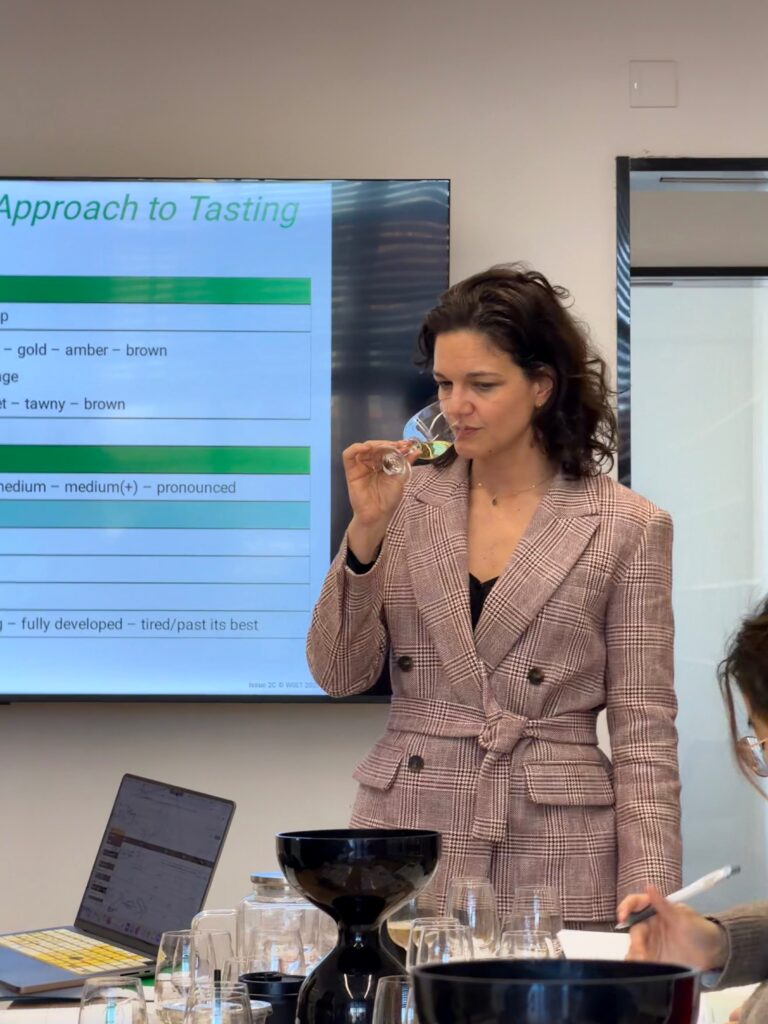
9. WSET and professional English: two complementary skills for international careers
The wine and spirits industry is international by nature. Export markets, wine tourism, trade shows, global companies, international customers, suppliers and distributors all make English an increasingly important professional skill.
This is why we also offer programmes combining WSET training with professional English and CLOE or LTE certifications. The aim is to develop two complementary areas of expertise at the same time: strengthening technical product knowledge while becoming more confident using it in an English-speaking professional environment.
In practical terms, this means learning how to present a wine or spirit, describe its style and production method, master industry-specific vocabulary, communicate with clients or distributors and take part more confidently in international business meetings.
This approach is particularly relevant for export sales teams, marketing professionals, hospitality and wine tourism staff, and anyone attending international trade events. WSET itself operates within a global education environment, making the ability to work confidently in English particularly useful.
English is therefore no longer simply a language skill in these professions. It becomes a commercial and professional tool.
The CLOE English certification, delivered by CCI France, assesses the ability to communicate in English in a professional context, both in writing and orally.
To strengthen your technical expertise, explore our WSET courses. To combine wine and spirits knowledge with professional English, discover our WSET + English / CLOE or LTE programmes.
What they took away from the training
Julie, Moët Hennessy: “I completed the WSET Level 3 courses in Wines and Spirits online, together with the CLOE English certification. This allowed me to study in English directly through WSET’s international learning platform. Moët Hennessy encouraged me to take these qualifications because they are highly valued within the group: they strengthen our professional credibility and can improve our chances of securing an internal promotion, or even progressing elsewhere in the industry. The online format was ideal for me because I have a very busy daytime schedule. I studied in the evenings and at weekends, completing the activities with my tasting kit. I also became naturally familiar with technical wine and spirits vocabulary in English. After just six months of training, I achieved three certifications: WSET Level 3 in Wines, WSET Level 3 in Spirits, and the CLOE certification specialising in wine and spirits, with a C1+ level. It has been a real springboard for my professional ambitions.”
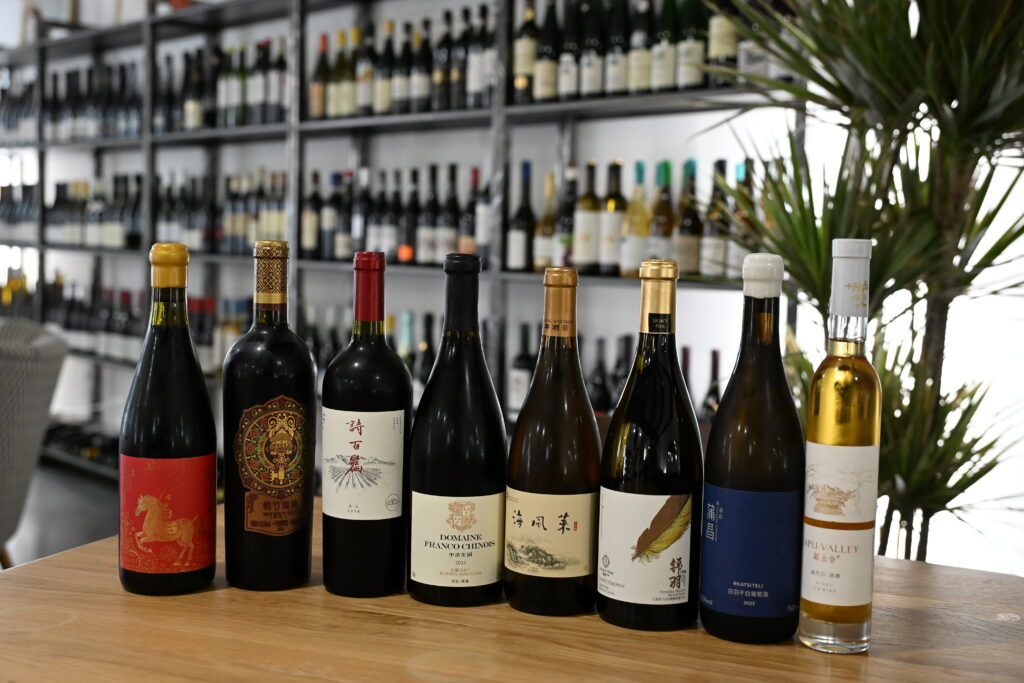
10. Training adapted to the profession, not just the qualification level
Two people preparing for the same WSET qualification can have completely different professional goals. That is why training should not simply focus on delivering a syllabus: it should also help participants connect what they learn with the realities of their job.
A retail manager may want to advise customers more effectively and better understand product positioning. A sales professional may need to build stronger arguments. A journalist may want to use technical vocabulary more accurately. A wine tourism professional needs to tell the story of a region and give meaning to the tasting experience. A bartender may want a deeper understanding of spirits for use in mixology, while a marketing team may need to understand the category it is promoting.
At Weeno, our objective is therefore to maintain the full rigour and structure of WSET, while providing participants with practical examples, tastings and professional applications directly connected to their working environment.
This approach allows us to support both individual learners and entire teams with the same objective: making training a skill that can genuinely be used at work, rather than simply a qualification gained on paper.
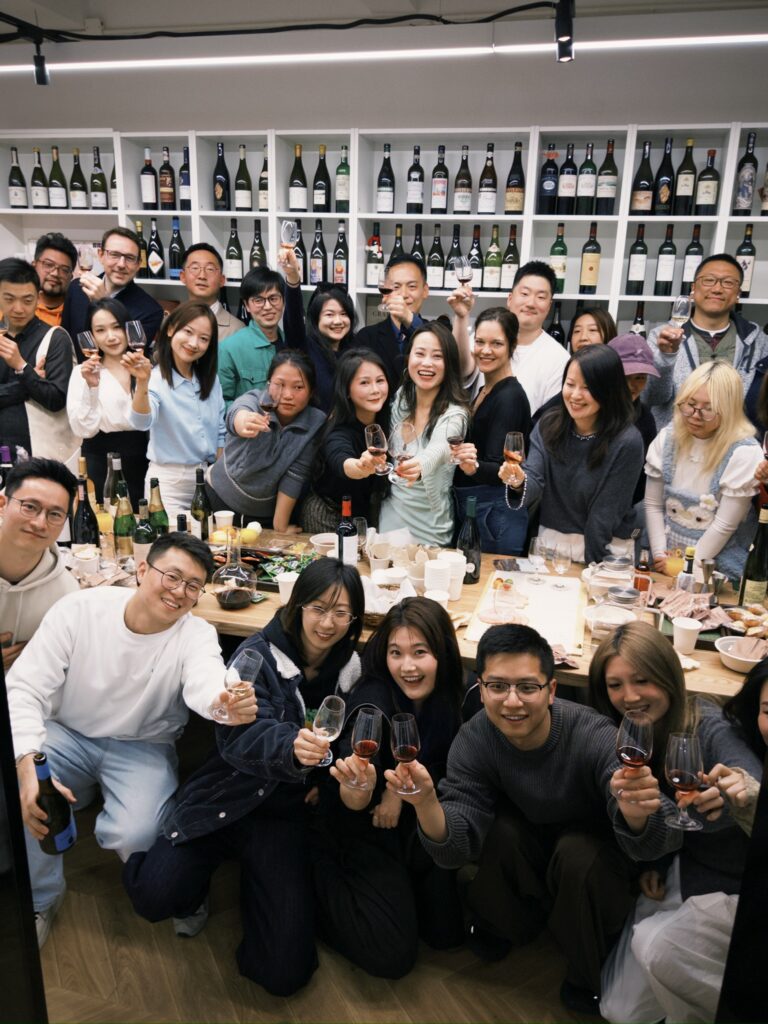
Could your team be next?
From Brown-Forman and Foodex to Moët Hennessy, Sofitel, Shangri-La and Accor, as well as Domaines Ott, retailers, trade organisations and journalists, the professionals we work with come from very different backgrounds.
Yet they all share one objective: turning knowledge of wine, spirits, beer or sake into a genuine professional skill that is structured, practical and directly applicable to their role.
That is the value of WSET training: providing a recognised framework for developing knowledge, becoming more precise, gaining an international certification and building expertise that makes sense in a professional environment.
With the new training season approaching, it is also a good time to plan an individual course, train a whole team, prepare for a WSET qualification or combine technical expertise with professional English.
Discover our upcoming WSET courses in wine, spirits, beer and sake, or contact us to build a training programme tailored to the needs of your team [LINK].